

3 Days in Bohol: Chocolate Hills, Tarsiers & a Secret Viewpoint
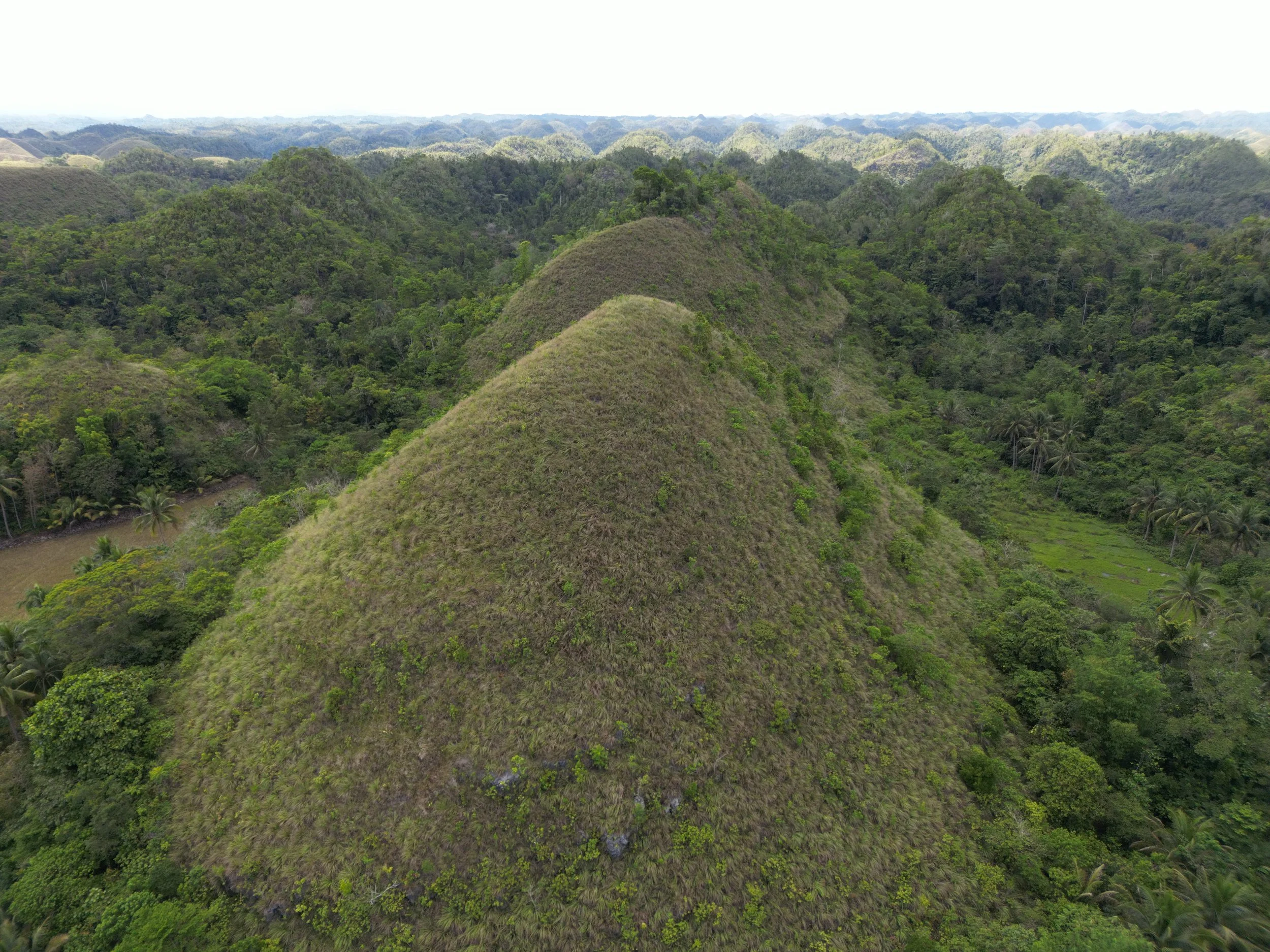
The unbelievable view a drone can give you of the Chocolate Hills in Bohol.
A spot we found on Google Maps, a local who knew exactly what we were looking for, and an entire Chocolate Hill to ourselves once we got there.
We travelled the Philippines in March 2026 in this order: Siquijor, Bohol, Balabac, El Nido, Coron. our Philippines itinerary
Bohol is one of those destinations where the famous attraction (in this case, a few thousand oddly perfect green hills that turn brown in the dry season) is genuinely worth seeing, but the moment we'll actually remember happened somewhere the guidebooks don't mention.
We spent 3 nights in Bohol after the ferry over from Siquijor, and it turned out to be a perfect mix of bucket list sights and the kind of spontaneous, slightly nerve wracking detour that makes a trip memorable. Chocolate Hills, tarsiers, a river that felt like it belonged to us alone, and an evening watching thousands of fireflies light up a single tree.
Where to Stay in Bohol
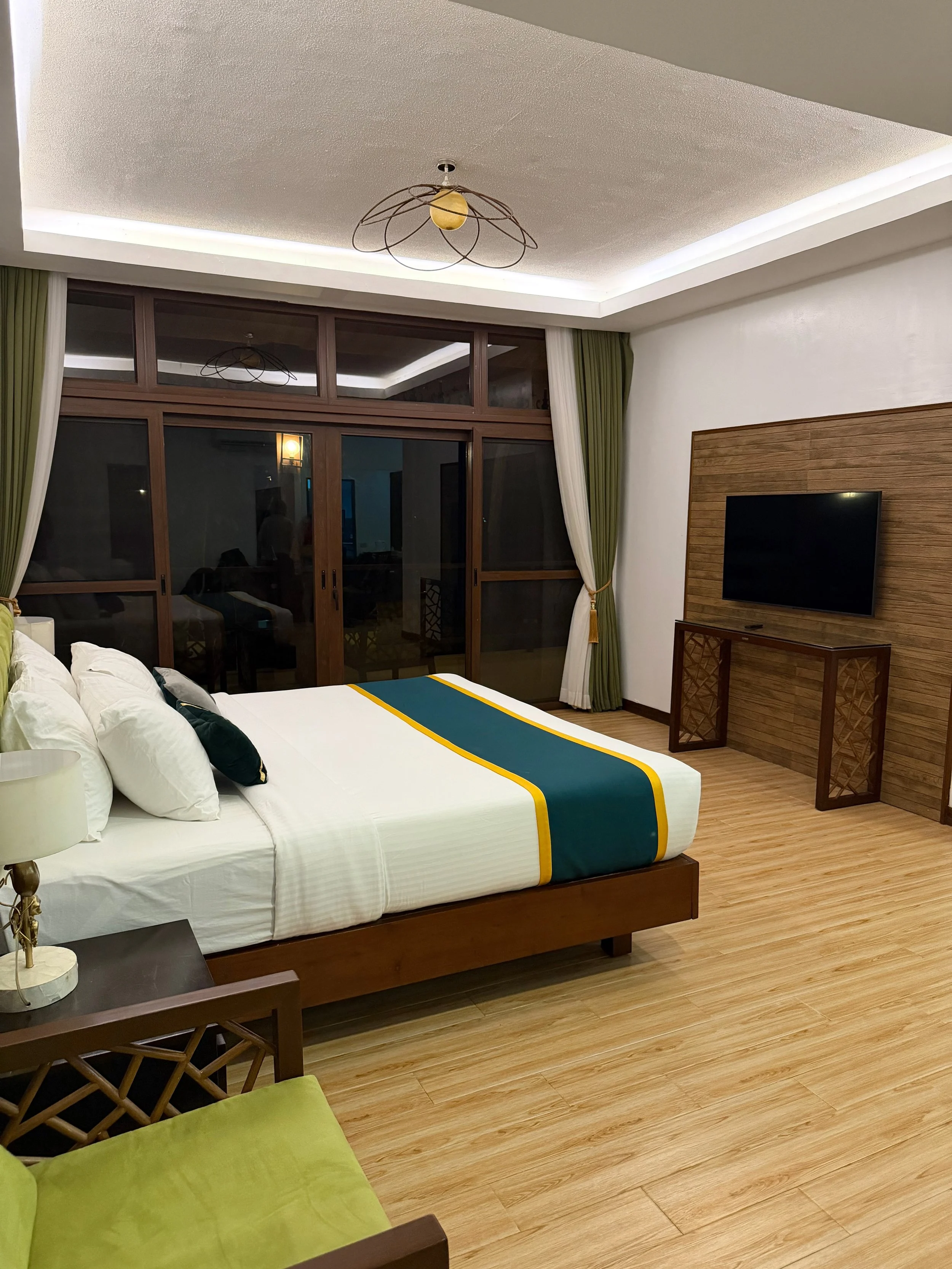
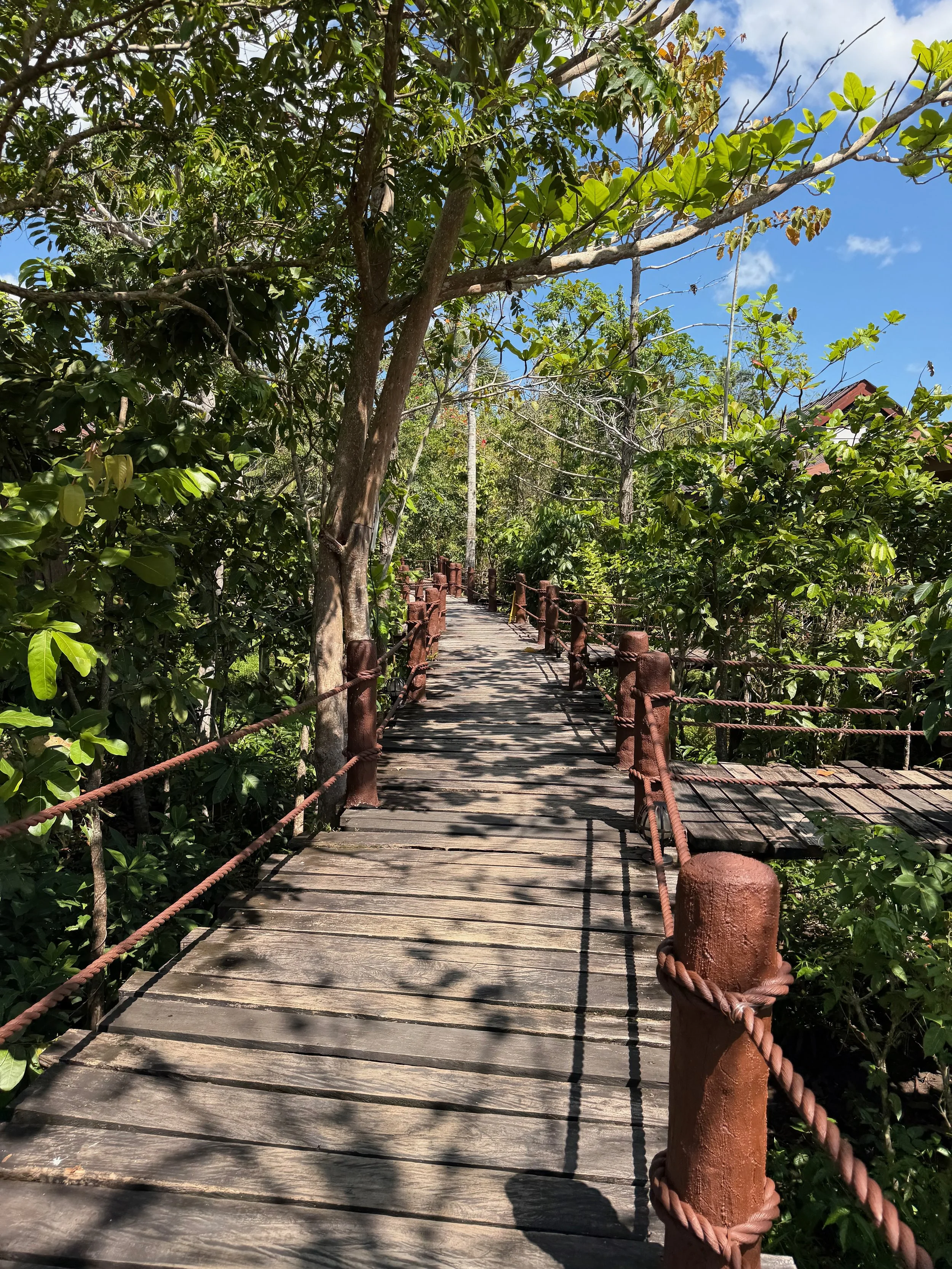
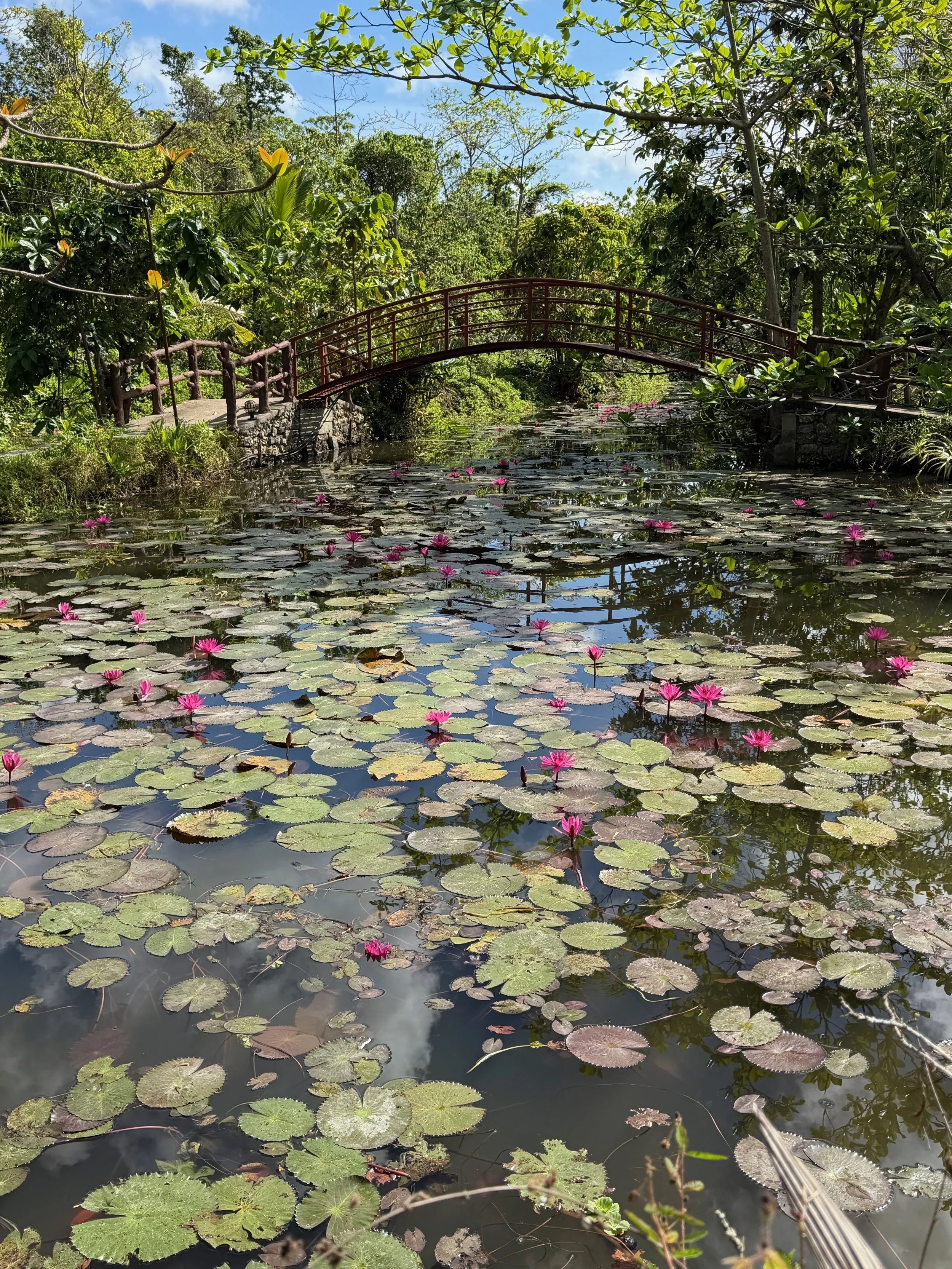
We stayed at Loboc River Resort, and it worked well as a base for everything we wanted to do.
A couple of practical notes: ask about a discount code when booking, we found that a quick message before confirming sometimes gets you a better rate. We organised our transfer in advance, and a taxi driver was waiting for us right at the end of the pier when we arrived, no confusion, no searching for transport with bags in hand.
Getting Around Bohol: Rent a Scooter
We rented a scooter directly through the hotel, which made the whole island easy to explore at our own pace. Worth knowing upfront: distances in Bohol are bigger than they look on a map, several of our rides between sights took 30 to 60 minutes, so factor that into how much you try to pack into one day.
Honestly, the riding itself became one of our favourite parts of the whole trip. There's something about covering long, open stretches of road on a scooter through Southeast Asia that gives you a genuine sense of freedom you don't get any other way, and Bohol's roads, with rice fields and hills rolling past on either side, made for some of the best riding of the entire Philippines trip.
The Chocolate Hills
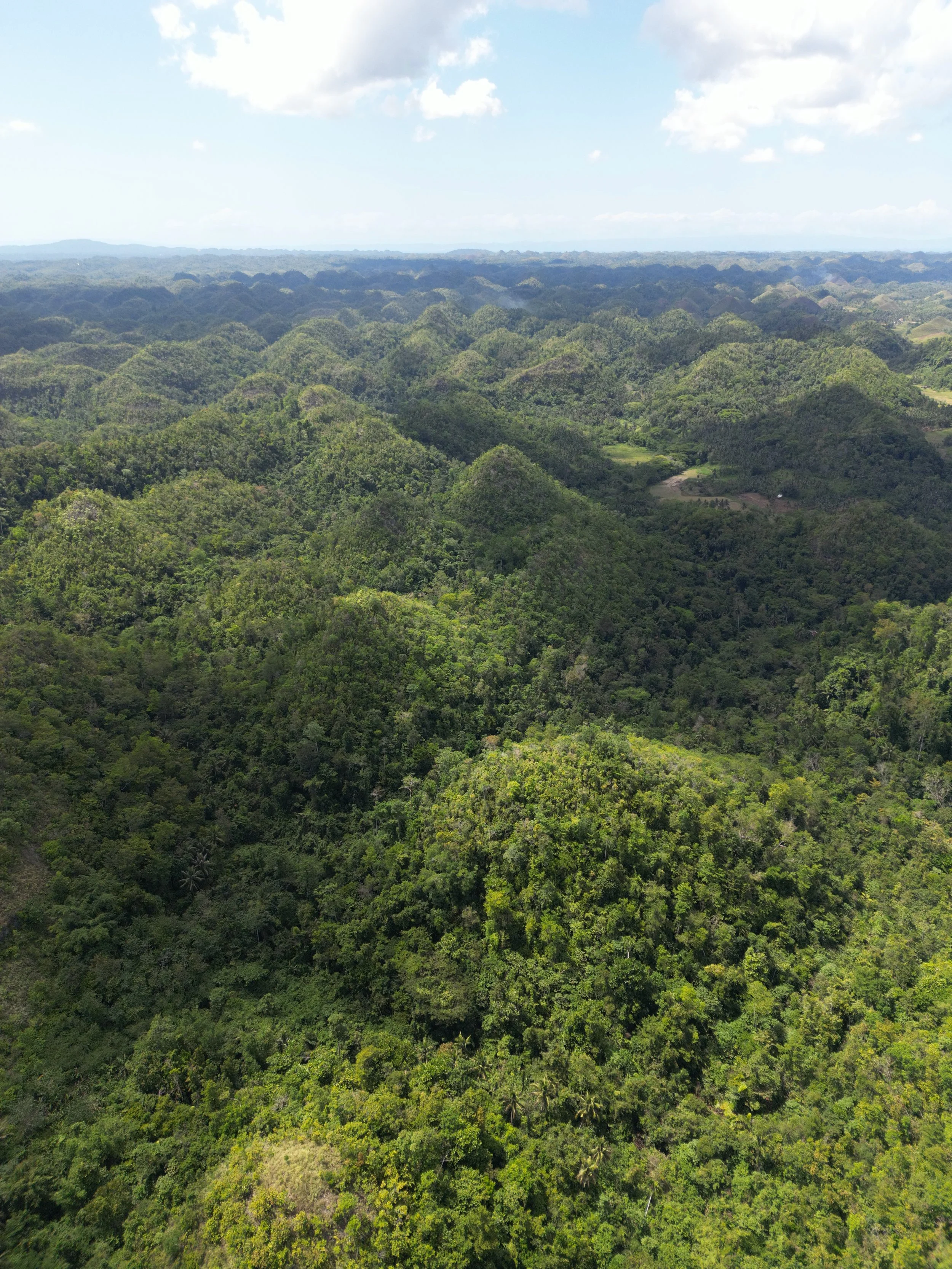
The Chocolate Hills are Bohol's signature sight: over a thousand near identical, dome shaped hills spread across the landscape, looking almost too uniform to be natural.
Why they're called "chocolate": during the dry season, the grass covering the hills turns brown, giving the whole landscape the appearance of rows of chocolate drops. In the wet season they're green instead, so the name and the famous photos you've probably seen only really apply for part of the year.
How they formed: the leading theory is that the hills are the result of marine limestone deposits, gradually shaped over time by weathering and erosion into these distinct, separated mounds. There are local legends too, involving giants and lost loves, that are worth asking about if your guide is in a storytelling mood.
Best time for the colour and the view: early morning light tends to give the richest contrast on the hills, and it's also when the official viewpoint is least crowded.
The Secret Viewpoint: Mike Dulls
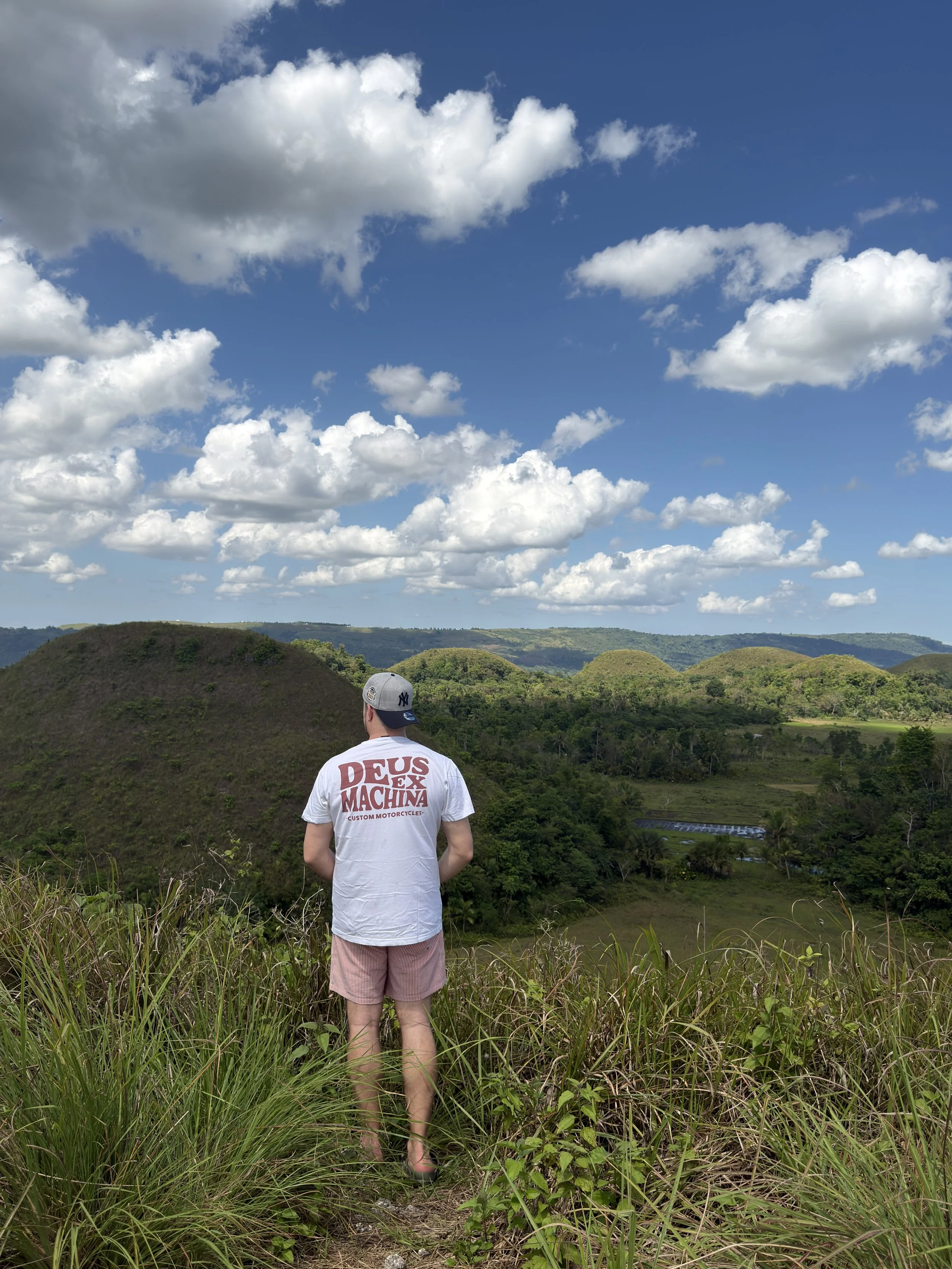
Here's the part of Bohol we didn't plan for, or rather, the part we found ourselves but didn't expect to unfold quite like it did. We'd come across an alternative viewpoint on Google Maps, unofficial, not signposted, known locally as Mike Dulls, and decided to scooter out and see if we could find it.
A short distance before the spot, a local on his own scooter intercepted us and guided us the last 300 metres. He seemed to know immediately what we were looking for, which told us this wasn't quite the well-kept secret we'd imagined. Sure enough, on the way back out, we passed a few obvious tourists heading in the same direction, presumably with the same destination in mind.
Despite that, what we found at the viewpoint itself was completely worth it: we had the hill entirely to ourselves for the time we were there. No crowds, no other visitors in sight, just the two of us standing on top of one of the most photographed landscapes in the Philippines. We got drone footage here too, part of a run of aerial shots across almost every island on this trip, except El Nido and Coron, where our drone met an unfortunate end in the water during our Balabac tour (more on that disaster in a future post).
We paid 500 pesos for access. Worth being upfront about something: this viewpoint is unofficial and operates without formal permits, so it sits in a grey area. The local who guided us was friendly and clearly used to showing visitors around, and for us the experience was worth it, but it's a personal call whether that trade-off feels right for you.
Pangas Falls
After the hills, we cooled off at Pangas Falls, a welcome bit of relief in the heat. Entry was 35 pesos each.
There are flat rocks you can lie on near the falls, not the most comfortable seating in the world, but it's exactly where most visitors end up spending an hour or two cooling off. Drinks, snacks and fresh coconuts are available to buy on site. A short set of steps gets you down to the water, and jumping in after the Chocolate Hills heat felt fantastic.
The perfect stop on our way back after hiking the chocolate Hills.
Evenings in Bohol
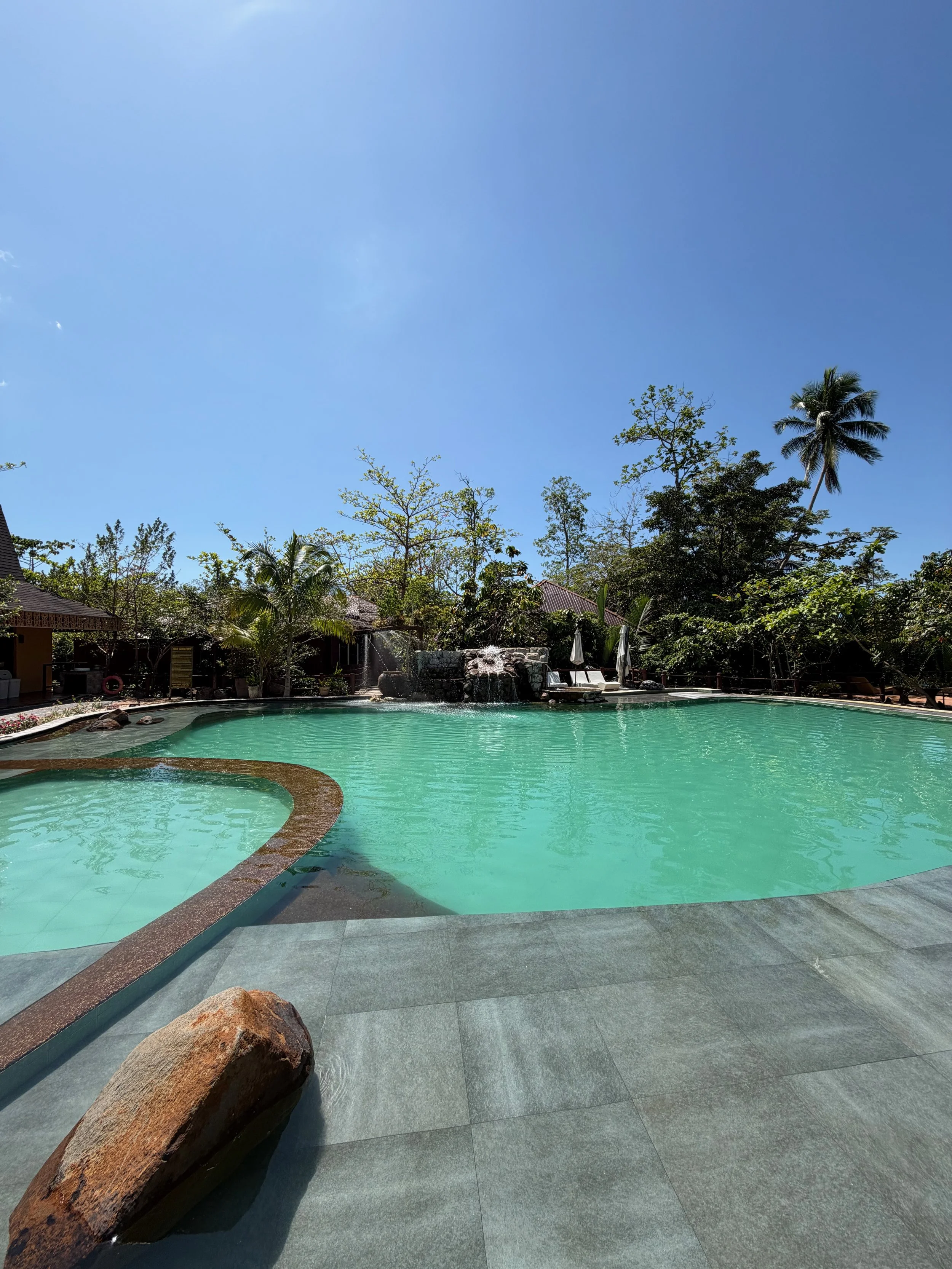
Most evenings we made use of the resort pool before dinner. One standout meal was at Food and Fables, genuinely one of the better dinners of the entire Philippines trip.
Day 2: Tarsiers, Kayaking & Fireflies
Tarsier Sanctuary, Corella
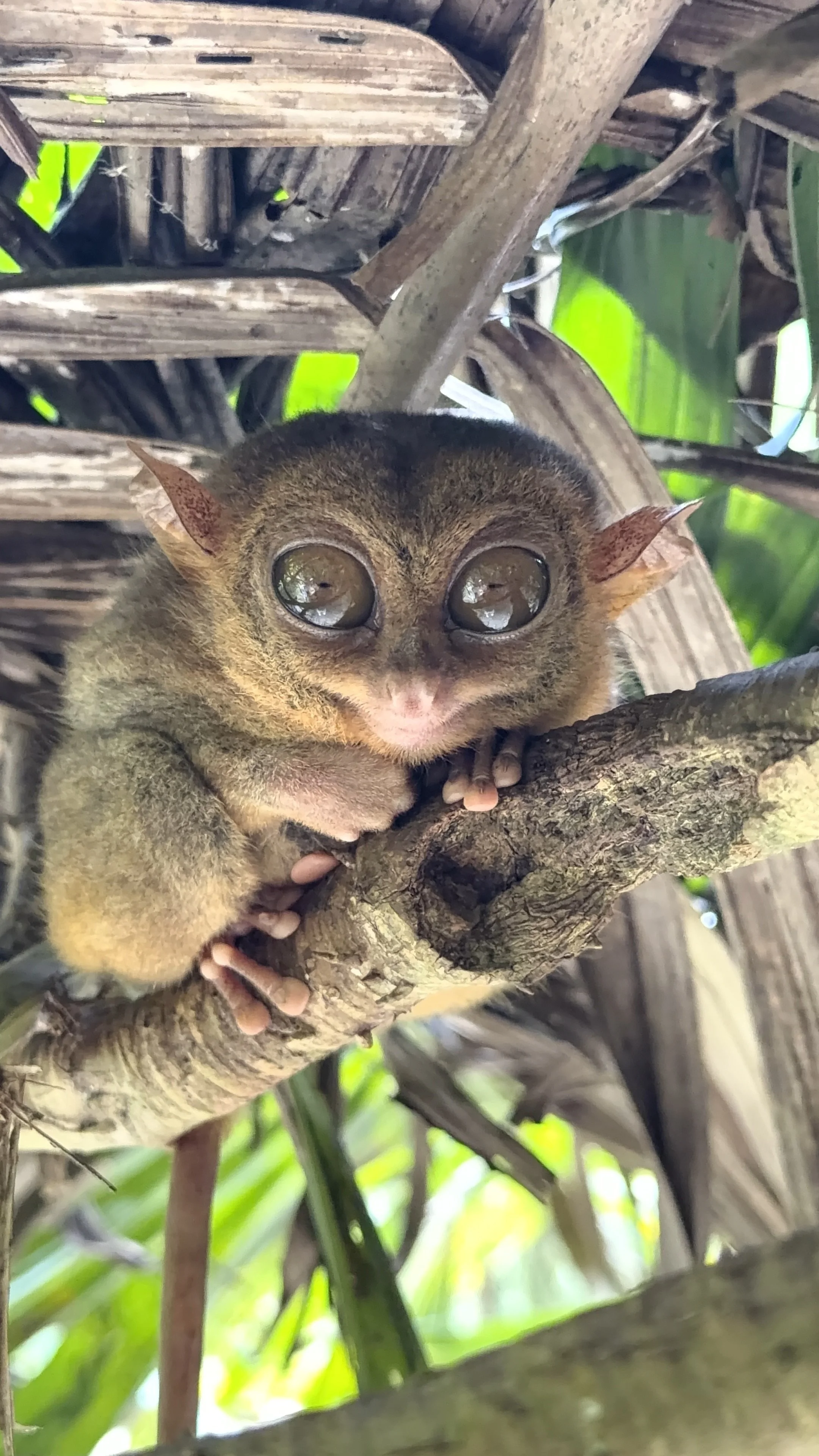
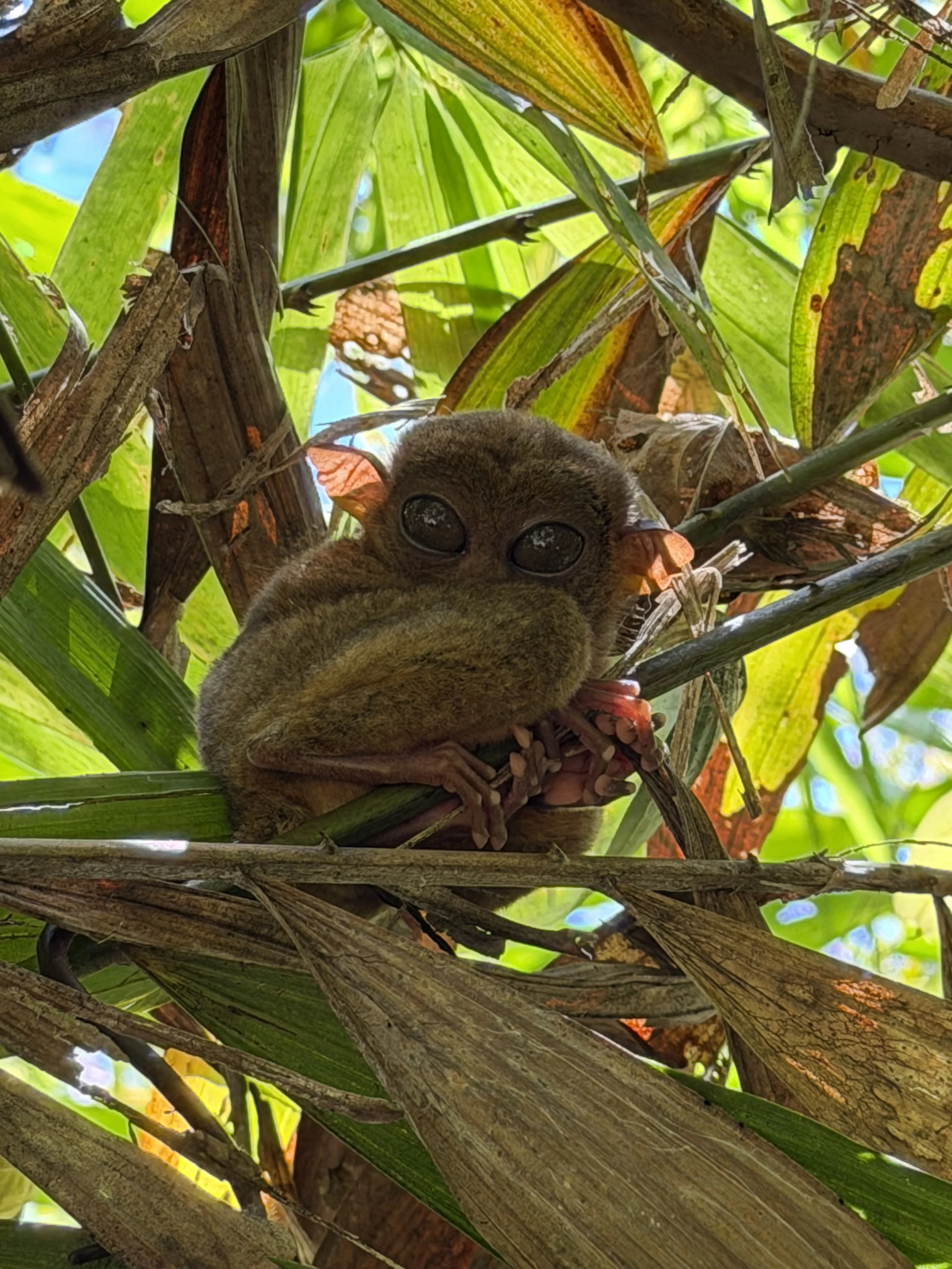
We started day 2 at the Tarsier Sanctuary in Corella, entry was 300 pesos total for two people. After a short 6-minute walk in, you wait for a guide, since groups are kept small (a maximum of 6 people at a time) to avoid disturbing the animals.
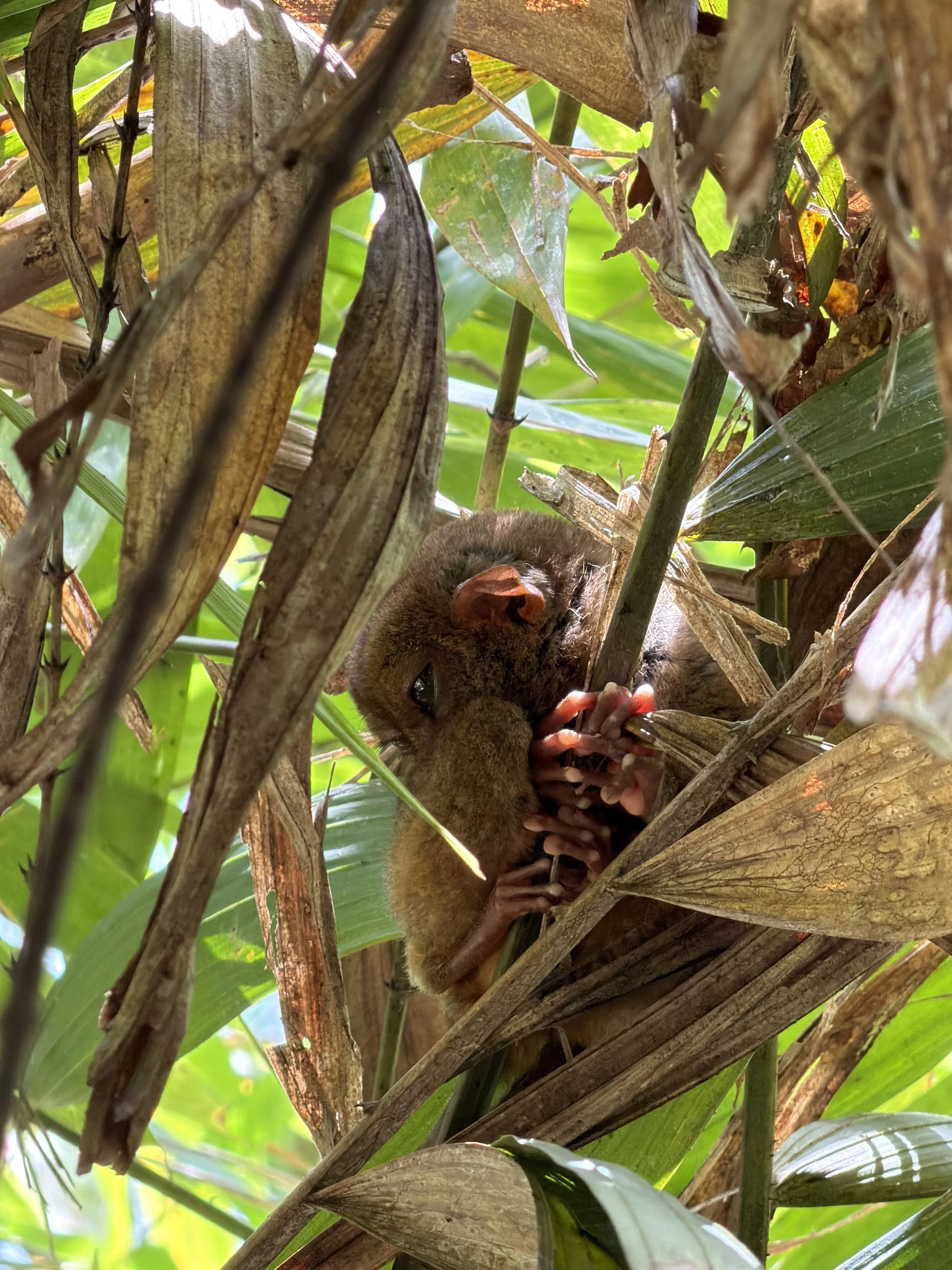
We spotted 3 of the sanctuary's 4 or 5 resident tarsiers, tiny, wide-eyed creatures that are genuinely one of the more unusual animals we've seen anywhere. Our guide ended up taking photos and videos for us throughout, which was a nice touch we hadn't expected.
Plan for 45 to 60 minutes total. One small tip: watch the brief introductory video before you go in, it's only about 5 minutes and gives helpful context on why the tarsiers are so sensitive to noise and flash photography.
Kayaking the Loboc River
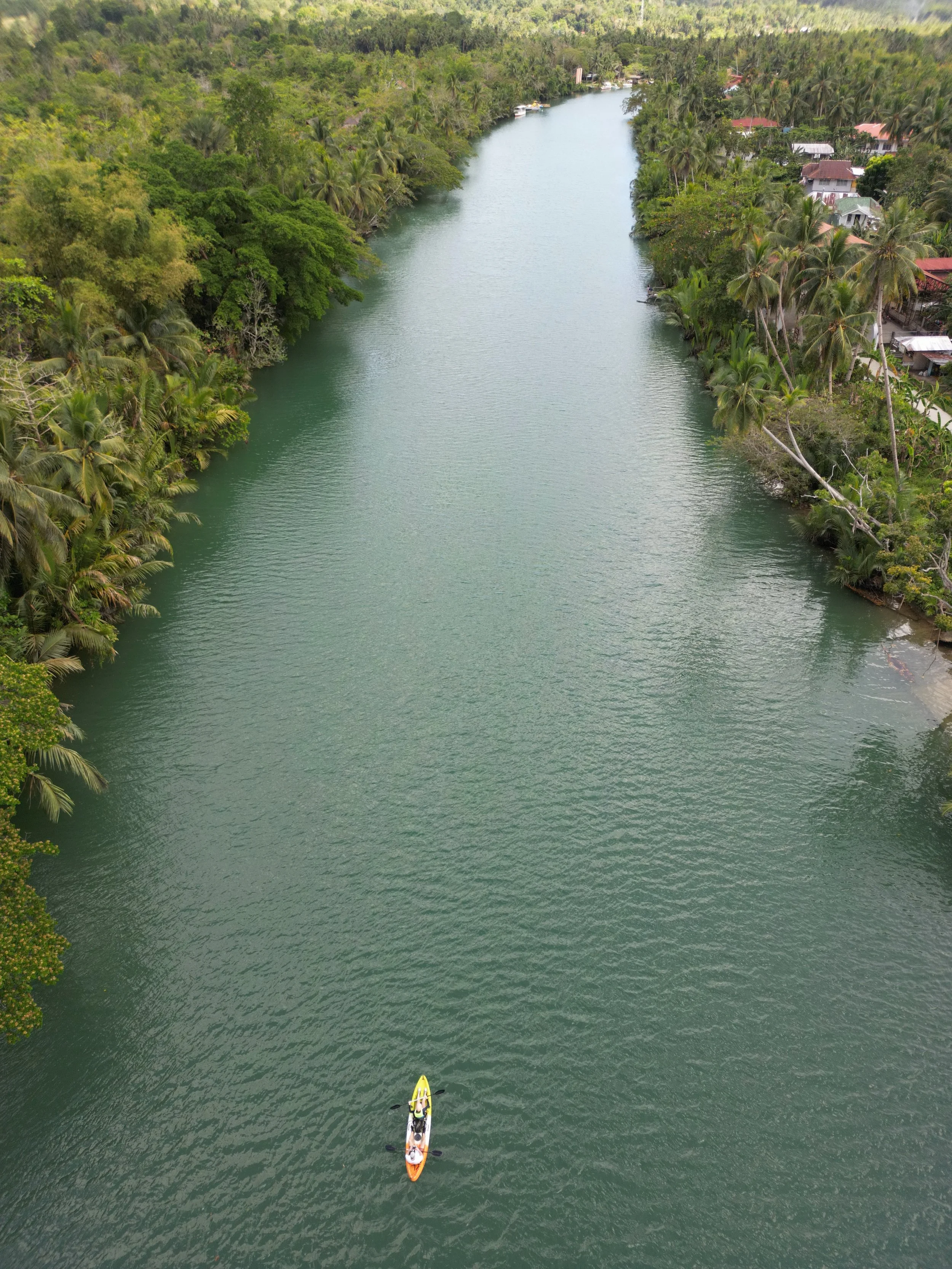
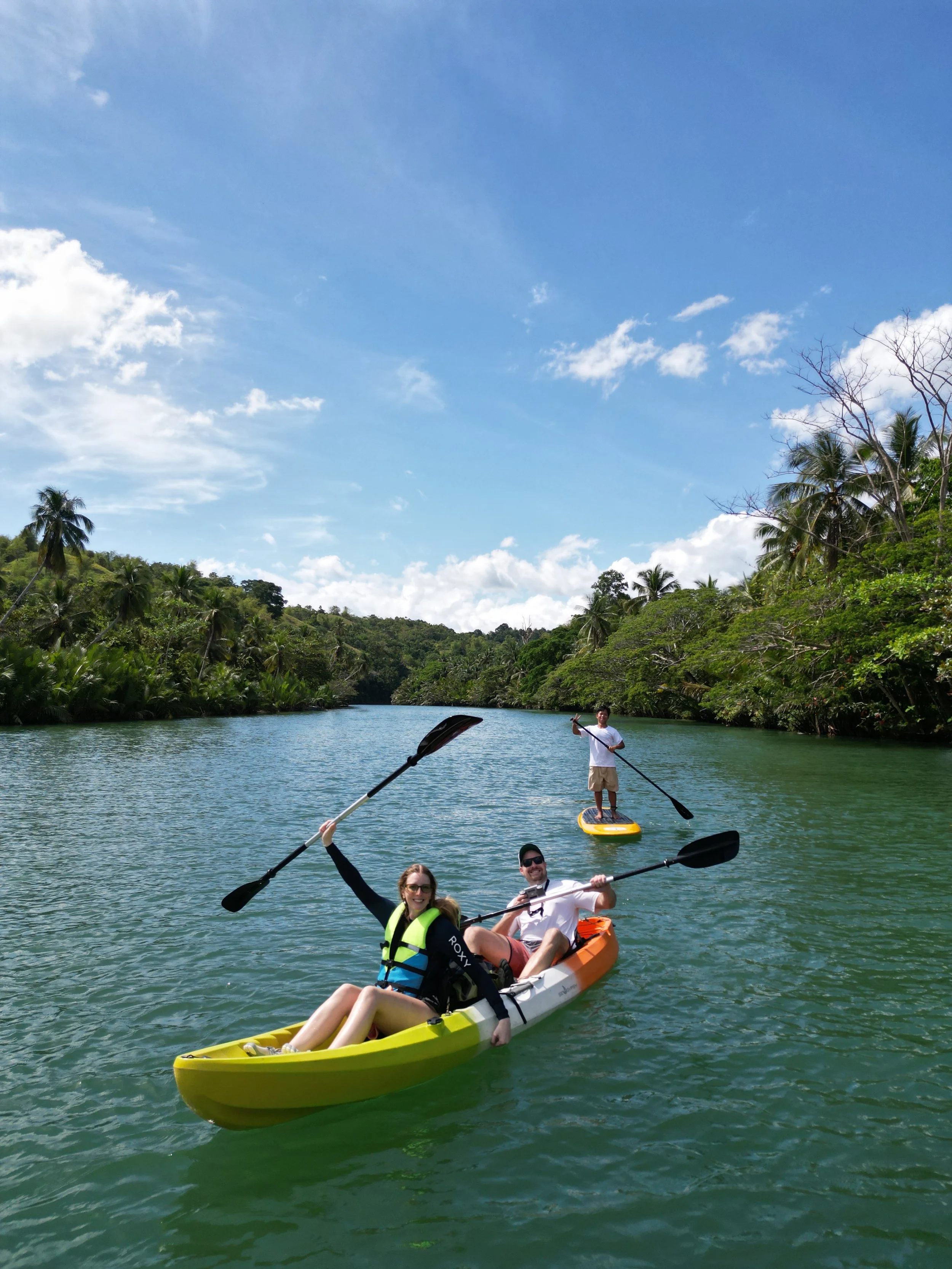
In the early afternoon we kayaked the Loboc River, and had the entire stretch of water completely to ourselves. It turned out to be ideal for drone flying, calm water, dramatic green riverbanks, and warm enough that jumping in for a swim between paddling was an easy decision.
Firefly Watching Tour
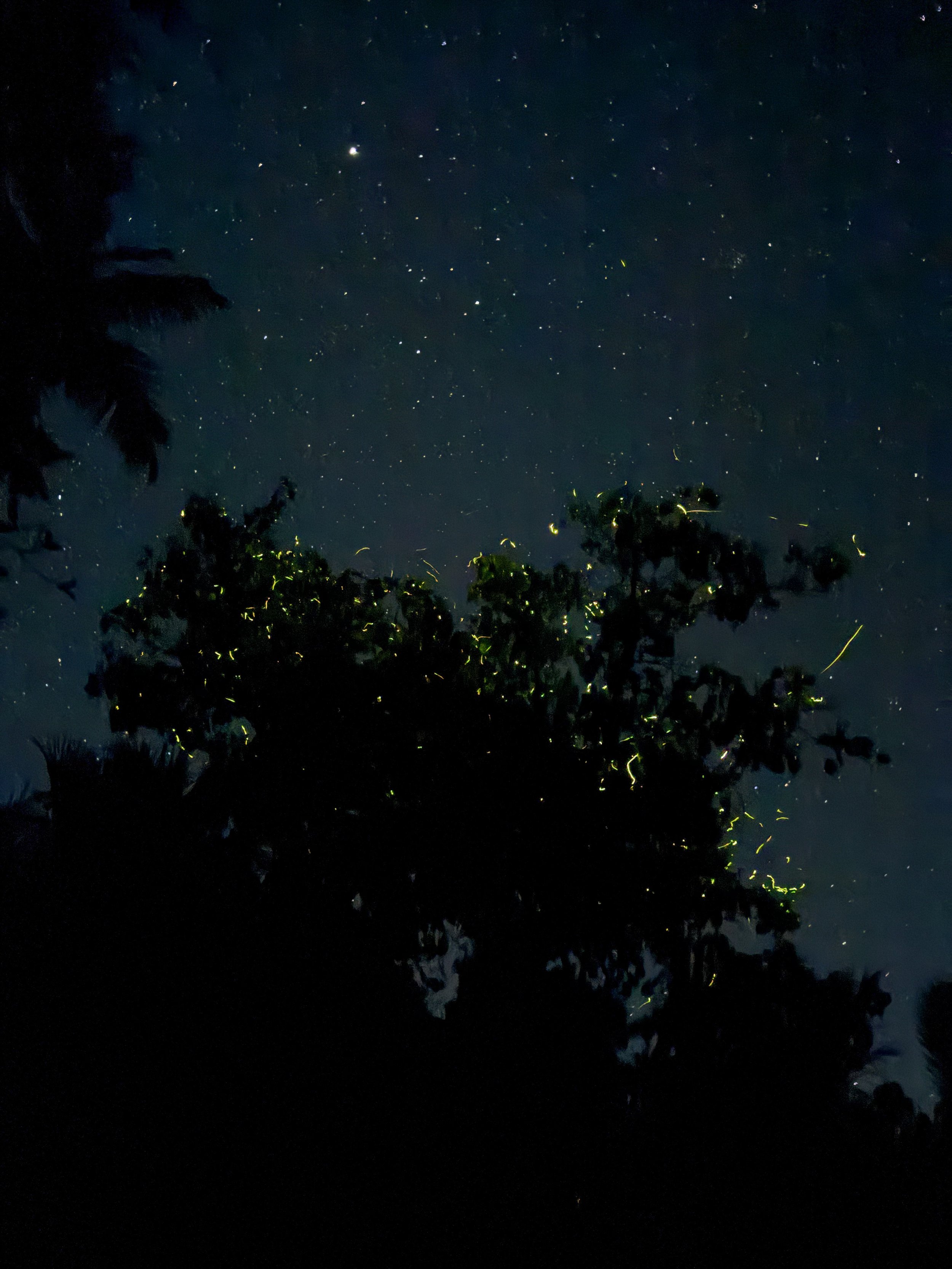
The evening firefly tour was one of the most quietly magical experiences of the whole Philippines trip. Hundreds, possibly thousands, of fireflies congregate in specific mangrove trees along the river, lighting up the branches like something out of a film. Every boat gets a chance to get close enough for photos, and it's well worth having your camera ready, even if a phone struggles to capture it properly.
We finished the day with dinner back at the hotel.
Leaving Bohol
The next morning, we had a driver organised to Panglao Airport for 1200 pesos, smooth and on time.
Up to this point, the whole trip had run on schedule with genuinely impressive reliability. The one exception: our ferry from Siquijor to Bohol arrived about 30 minutes later than planned. Completely manageable, and honestly the kind of minor delay you should expect and build into your schedule when island hopping here.
From Bohol, we flew via Manila to Puerto Princesa, our gateway to the Balabac region. We deliberately booked a later flight to Puerto Princesa than strictly necessary, in hindsight, the earlier connection would have worked just as easily, so don't feel like you need extra buffer here unless you prefer the peace of mind.
We stayed one night at Panya Resort in Puerto Princesa, a perfectly fine transit stop. The food was good, breakfast covered the basics, and the staff were friendly and accommodating, including letting us store luggage there during our upcoming Balabac tour. Full details on that multi-day adventure in our Balabac guide
Bohol Travel Tips
- Ask your hotel about a discount code before confirming your booking
- Visit the Chocolate Hills early morning for the best light and fewer crowds
- If a local offers to show you an alternative viewpoint, weigh the unofficial nature of it but know it can lead to an unforgettable experience
- Book the Tarsier Sanctuary and watch the intro video beforehand to make the most of your visit
- Don't skip the firefly tour, it's one of the most underrated experiences on the island
- Build in a little flexibility around ferry times between islands, minor delays are normal
Frequently Asked Questions: Bohol
Why are the Chocolate Hills called that? During the dry season, the grass covering the hills turns brown, giving the landscape the appearance of rows of chocolate mounds. In the wet season, the same hills appear green instead.
How were the Chocolate Hills formed? The leading scientific theory points to marine limestone deposits shaped over time through weathering and erosion into the distinct, dome-like mounds visible today.
Is Bohol worth visiting? Yes, it combines an iconic natural landmark (the Chocolate Hills) with genuinely engaging wildlife experiences like the Tarsier Sanctuary, river kayaking and a memorable firefly watching tour.
How many days do you need in Bohol? 3 nights gave us enough time to see the Chocolate Hills, visit the Tarsier Sanctuary, kayak the Loboc River and do the firefly tour without feeling rushed.
Can you see tarsiers in the wild in Bohol? The Tarsier Sanctuary in Corella offers a responsible way to see these endangered animals in a protected, semi-wild forest setting, with small group sizes to minimise disturbance.
Next stop: Balabac, a multi-day island tour that turned into one of the most adventurous stretches of the entire trip. 👉Read our Balabac guide →
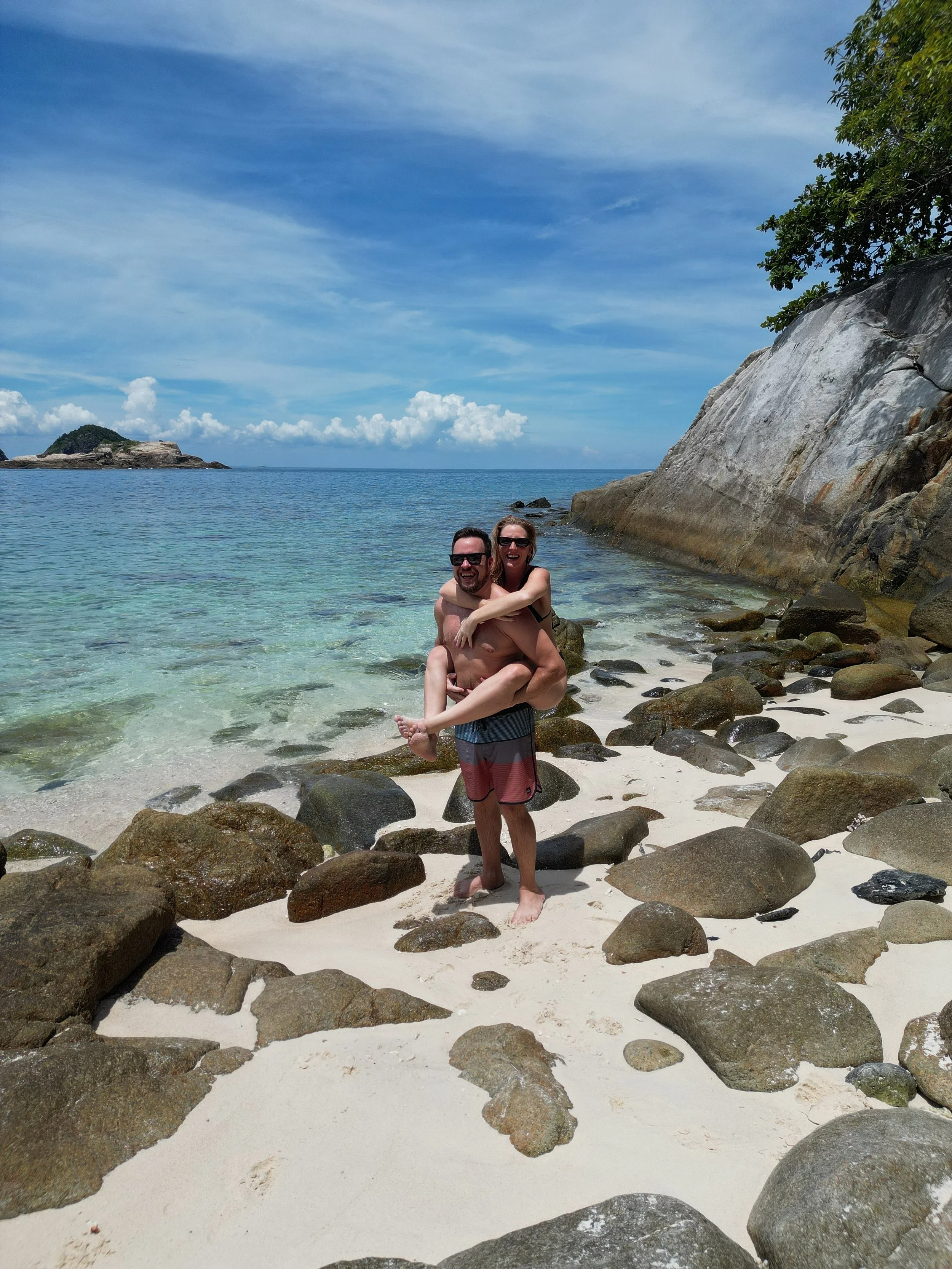
Who we are: We're Marcel and Kathleen, a couple with corporate jobs, one big trip a year and a drone that comes everywhere with us. I (Marcel) plan every route down to the ferry timetable, Kathleen trusts the plan, and everything on this blog is something we did and paid for ourselves. More about us →
Some links in this post are affiliate links. If you book through them, we may earn a small commission at no extra cost to you. We only recommend places and services we've used and paid for ourselves.