

4 Days in Balabac: Onok Island, Sea Turtles & Palawan's Most Remote Corner
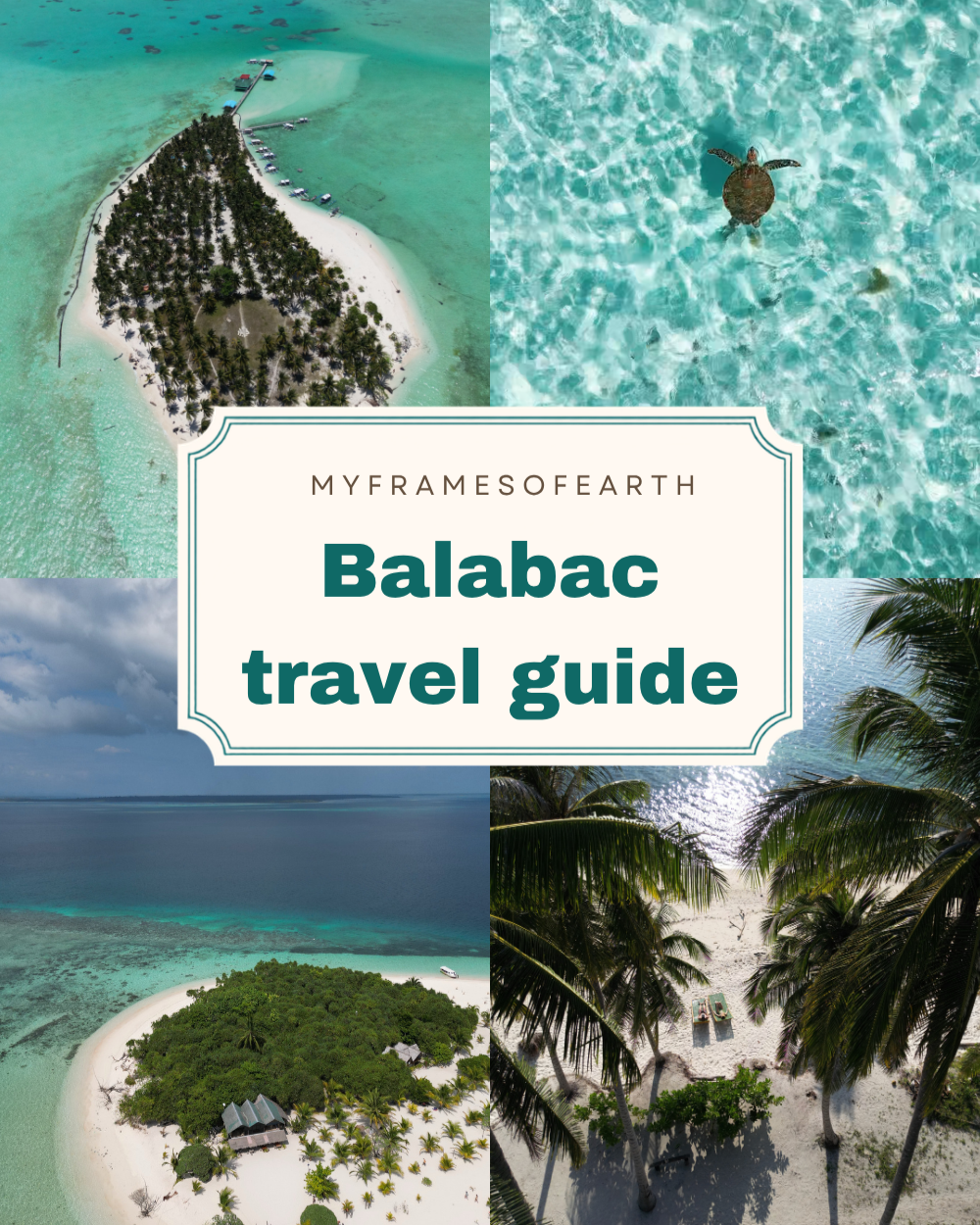
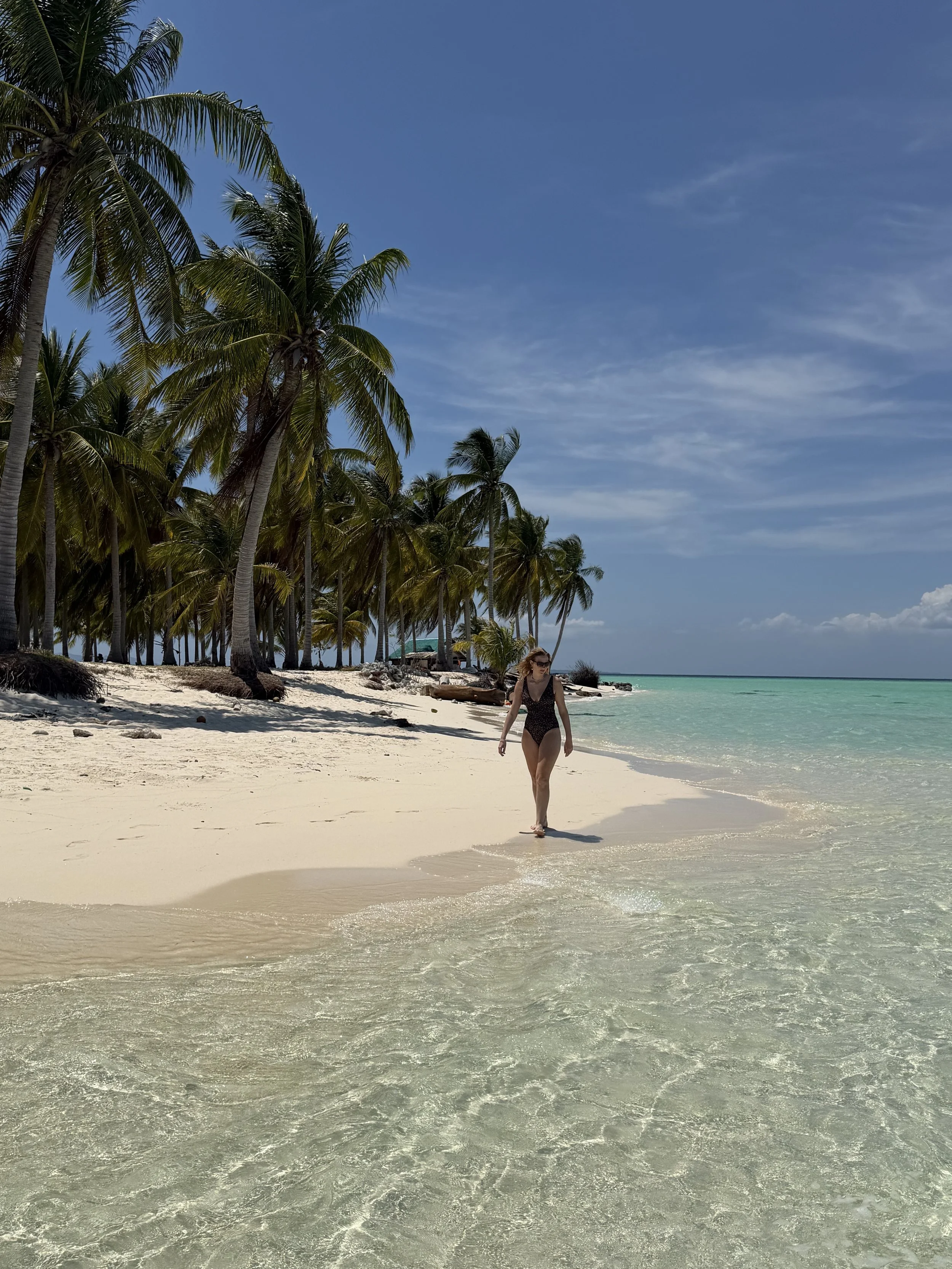
The most beautiful Island we’ve ever been to: Onok Island, Balabac, Palawan.
The most beautiful island we've ever been to: Onok Island, Balabac, Palawan.
We almost cancelled this tour because of the reviews. It ended up next to Siquijor as our highlight of the entire Philippines.
We travelled the Philippines in March 2026 in this order: Siquijor, Bohol, Balabac, El Nido, Coron. our Philippines route
Balabac was the part of our Philippines route we were least sure about. The beach resort we'd booked has only existed in its current form since November 2025, and some of the comments we read beforehand made us seriously consider cancelling. A brand-new camp on a remote island at the far southern end of Palawan, a 2:45am pickup, four to five hours in a van and a local boat crossing on top. Plenty of reasons to be skeptical.
We went anyway. And after three days of near-empty islands, more sea turtles than we could count, a sandbar in the middle of the open sea and evenings with cold beer and people we're still in touch with, we can say it plainly: the exhausting journey was worth every peso. Balabac and Siquijor were the two highlights of our entire Philippines trip.
Here's what the tour is really like, what the camp is really like, and the honest parts you should know before you book.
The Route to Balabac Starts in Puerto Princesa
Balabac isn't a place you pass through. You commit to it. The gateway is Puerto Princesa, and you'll want one night there before the tour starts, because the pickup comes in the middle of the night.
We flew in from Bohol via Manila, both flights on time. One planning note we can pass on: we deliberately booked a later connection to Puerto Princesa as a buffer, and in hindsight the earlier flight would have worked fine. Don't over-engineer this leg.
For the night before the tour we stayed at the Panya Resort, and it does exactly what a transit stop should. The food was good, breakfast covers the basics, and the staff were friendly. The practical win: you can leave your main luggage at the resort during the Balabac tour and travel with a small bag only. On a tour where you're moving between van, boat and camp, that makes a real difference.
Get to bed early. The alarm goes off in the middle of the night.
Getting There: The Honest Version
Here's the shape of the journey, so you know what you're signing up for: a 2:45am pickup at your Puerto Princesa hotel, then four to five hours south by van with one stop for breakfast and toilets, coastguard registration at the port, and finally one to 1.5 hours by local outrigger boat to the camp, longer if there's swell. It is a long day. There is no fast version, and that is exactly why the islands down here are still this empty.
One piece of real talk about the van: the ride is rough, and in the back rows you feel every pothole. If you get a choice of seats, take one closer to the front. Your spine will thank you around hour three.
Then the boat rounds the last stretch of coast, the water turns a shade of turquoise you haven't seen yet on this trip, and the math changes completely.
Planning to actually go? Our Balabac 4-Day Guide is the doing part: the exact booking steps, a copy-and-paste enquiry message, the full budget down to the peso, the print-ready travel timeline for both directions, an offline island map and every trap with a fix. One purchase, and free updates as prices change.
The Camp: What to Expect (and What Not To)
This is the section we'd want to read before booking, so here it is without any polish.
First, the reviews that almost made us cancel: when we booked, the Balabac Beach Resort had a Google rating below 2 stars (January 2026). Today it is above 4 (July 2026), and after three nights there, we understand the recovery far better than the old reviews. We left 5 stars ourselves, because for us, nearly everything was spot on.
The resort in its current form has only existed since November 2025. It's being expanded continuously, new huts and hangout spots are being added all the time, and you can watch the camp grow on their Instagram (@balabac_beachresort). We had one of the elevated bungalows directly on the water, which meant waking up to the sunrise over the sea every morning, easily one of the best views of the whole trip.
What you need to understand going in: almost everyone working here is a local islander. Most of the staff had barely seen tourists before this camp existed, and nobody has formal hospitality training. Quite a few things got clarified last-minute via WhatsApp. If you arrive expecting the routines of an established resort, you'll find rough edges.
But here's the thing: everyone gave visible effort, every single day. Meals came out on time and generously, questions got answered, problems got solved, just sometimes on island time and through a WhatsApp message instead of a front desk. If you take the camp for what it is, a brand-new place run by people learning the job with real care, you'll have a wonderful stay. We did.
What the Tour Cost Us
The full package cost us around €650 in total for the two of us, covering 4 days and 3 nights in the premium beachfront bungalow with air conditioning, all meals, all boat trips and the complete transfer from and back to Puerto Princesa. Measured against what's included, this was one of the best-value stretches of our entire Philippines trip. Bring cash for the balance, there's no ATM anywhere near here. (The deposit, the payment methods that cost you the least in fees, and a full to-the-peso budget are in the guide.)
One booking decision you'll face: private or shared tour. Take the shared group tour. The group you arrive with stays together for the entire stay, spread across several boats on every island trip. You see the same faces at breakfast, in the water and over evening beers, and by day two it stops feeling like a tour group. You can make real friends out here, we did, and we're still in touch with some of them. A private tour would cost more and remove the best part.
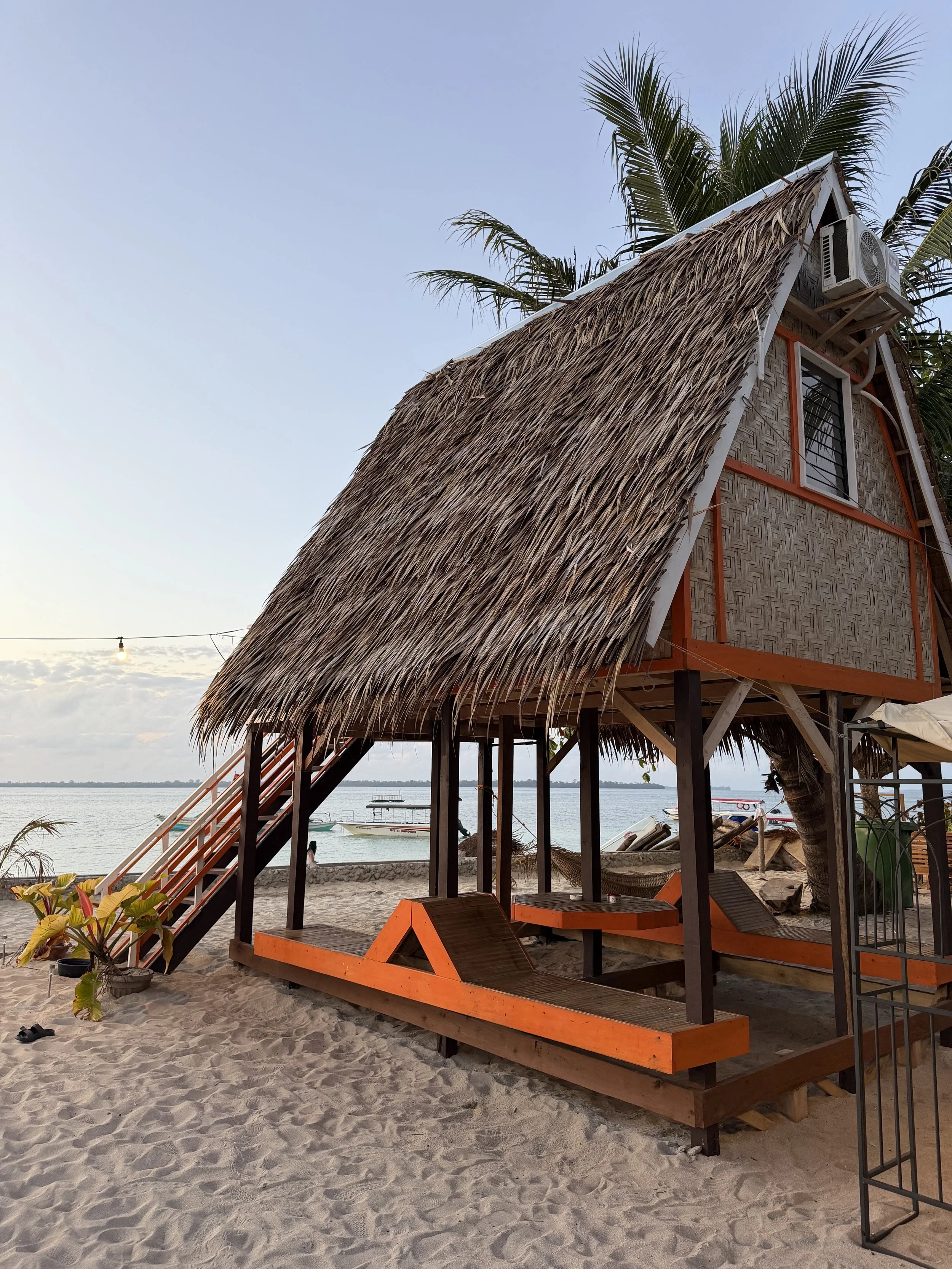
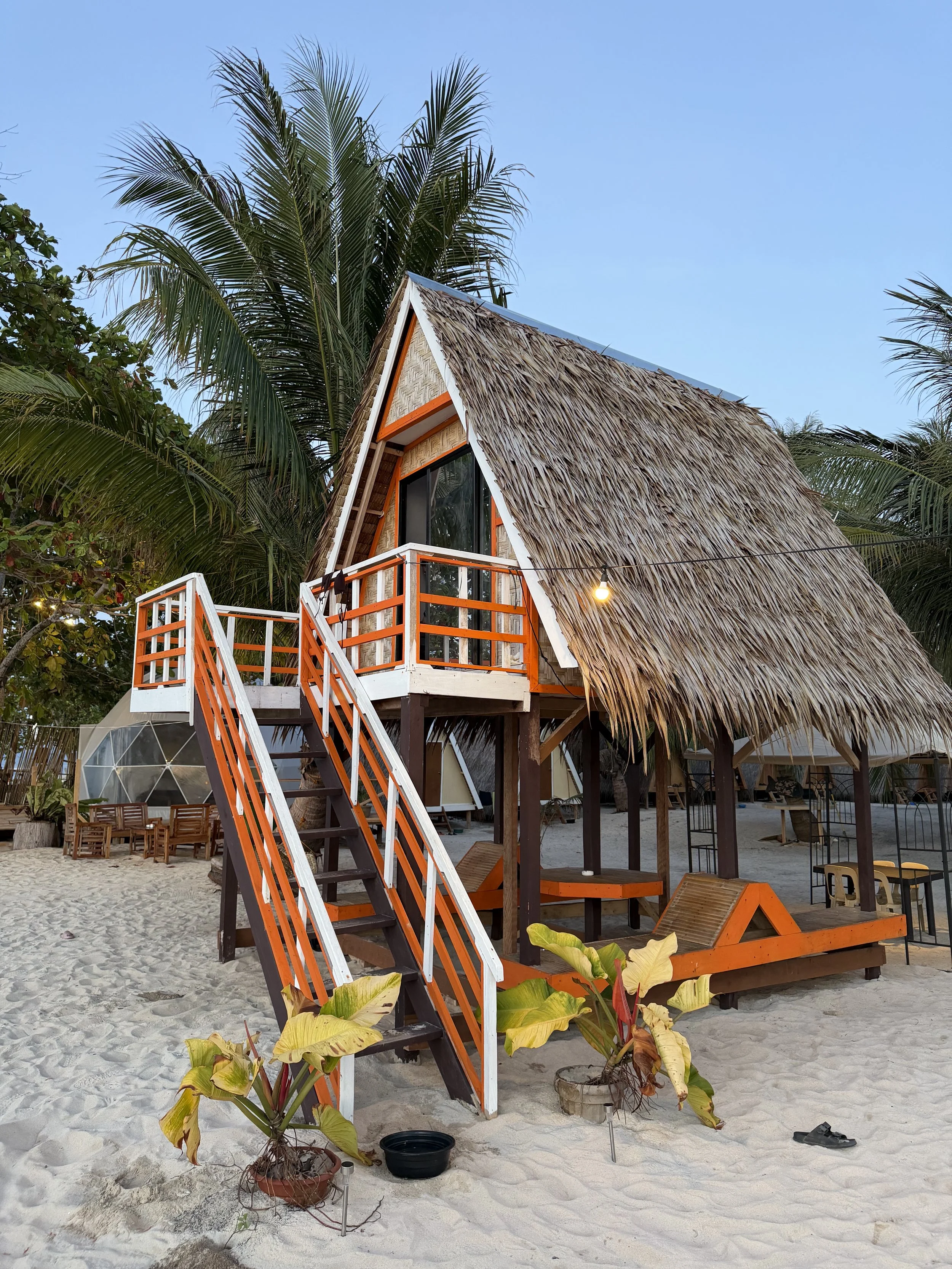
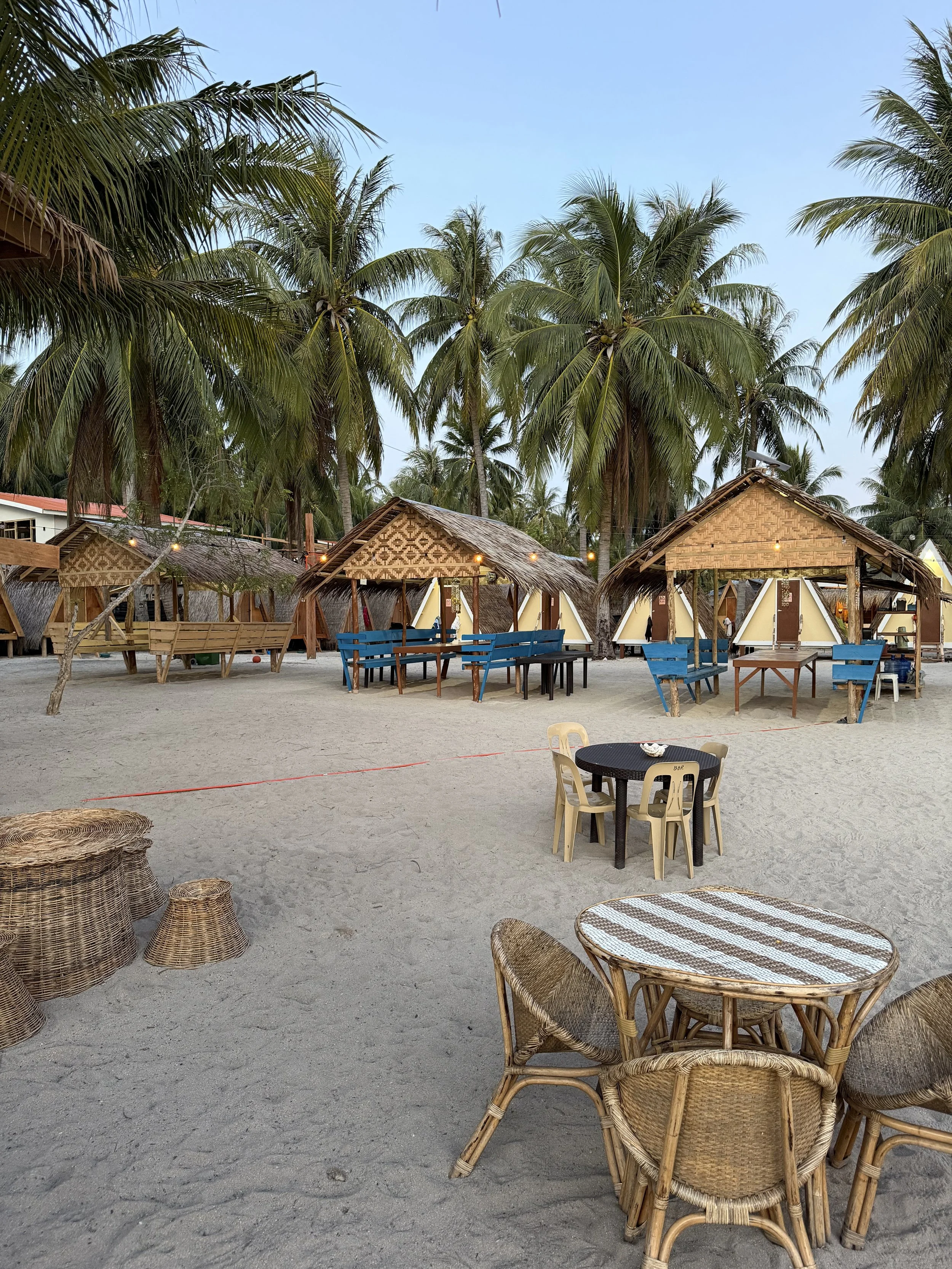
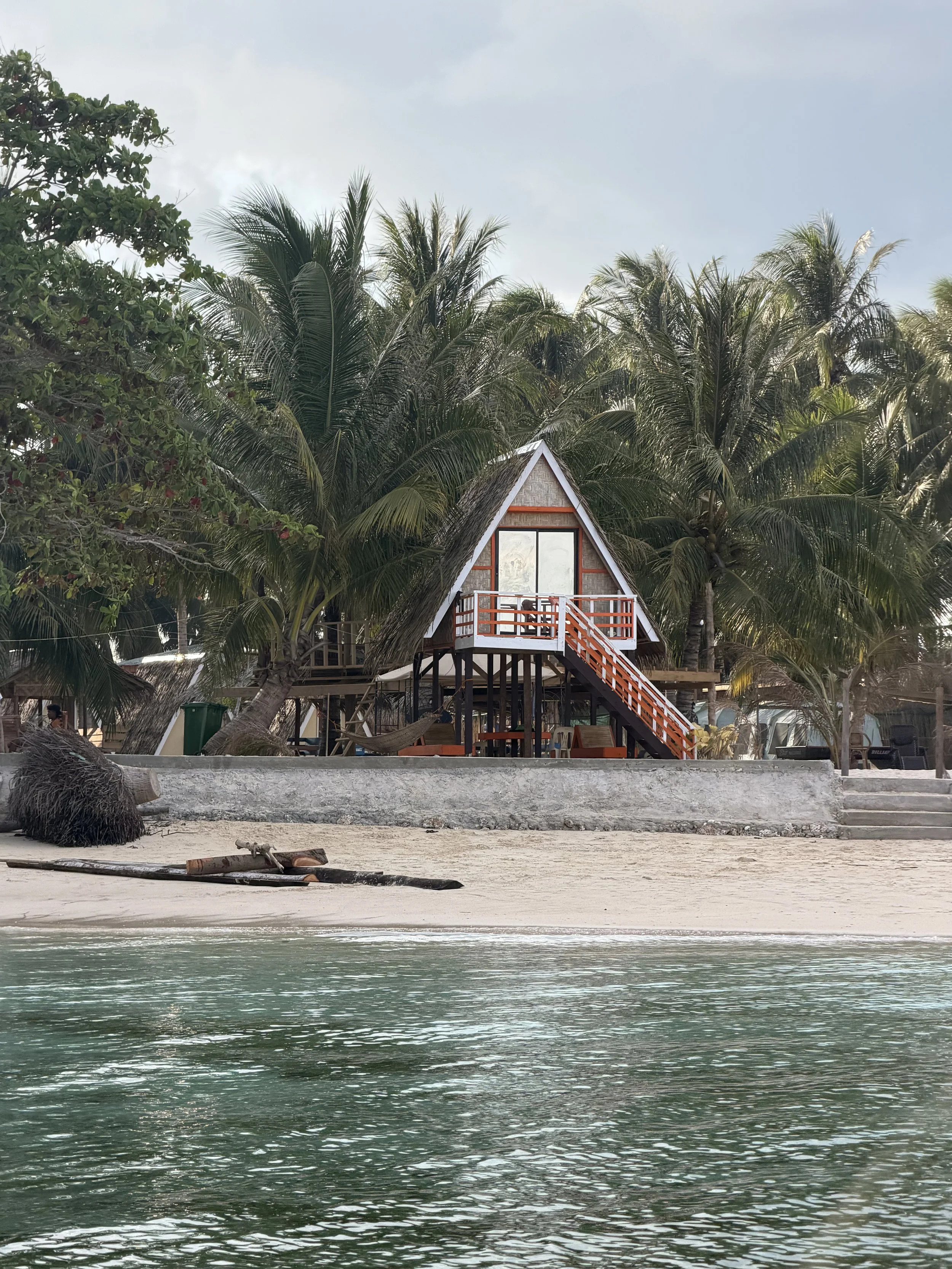
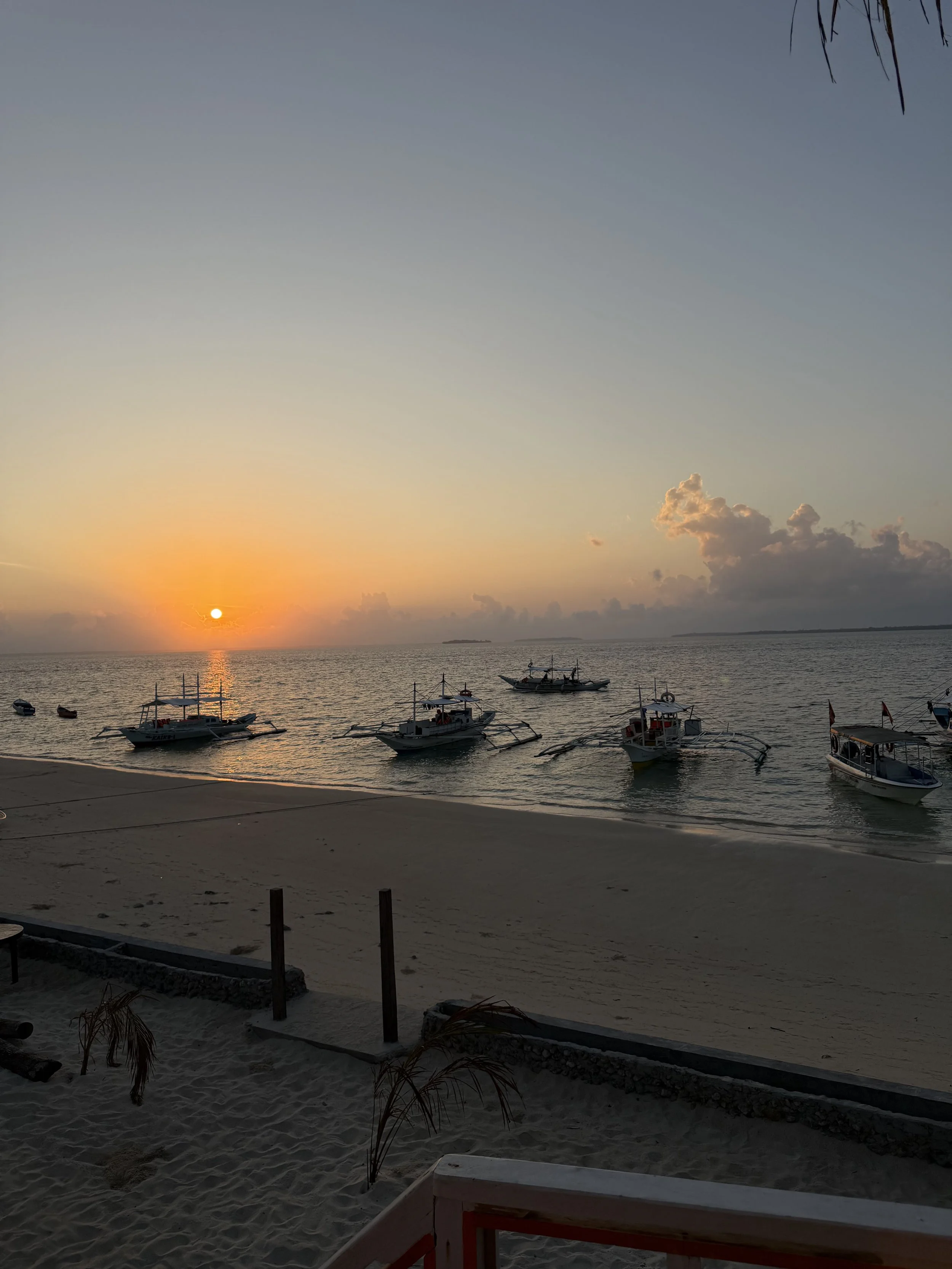
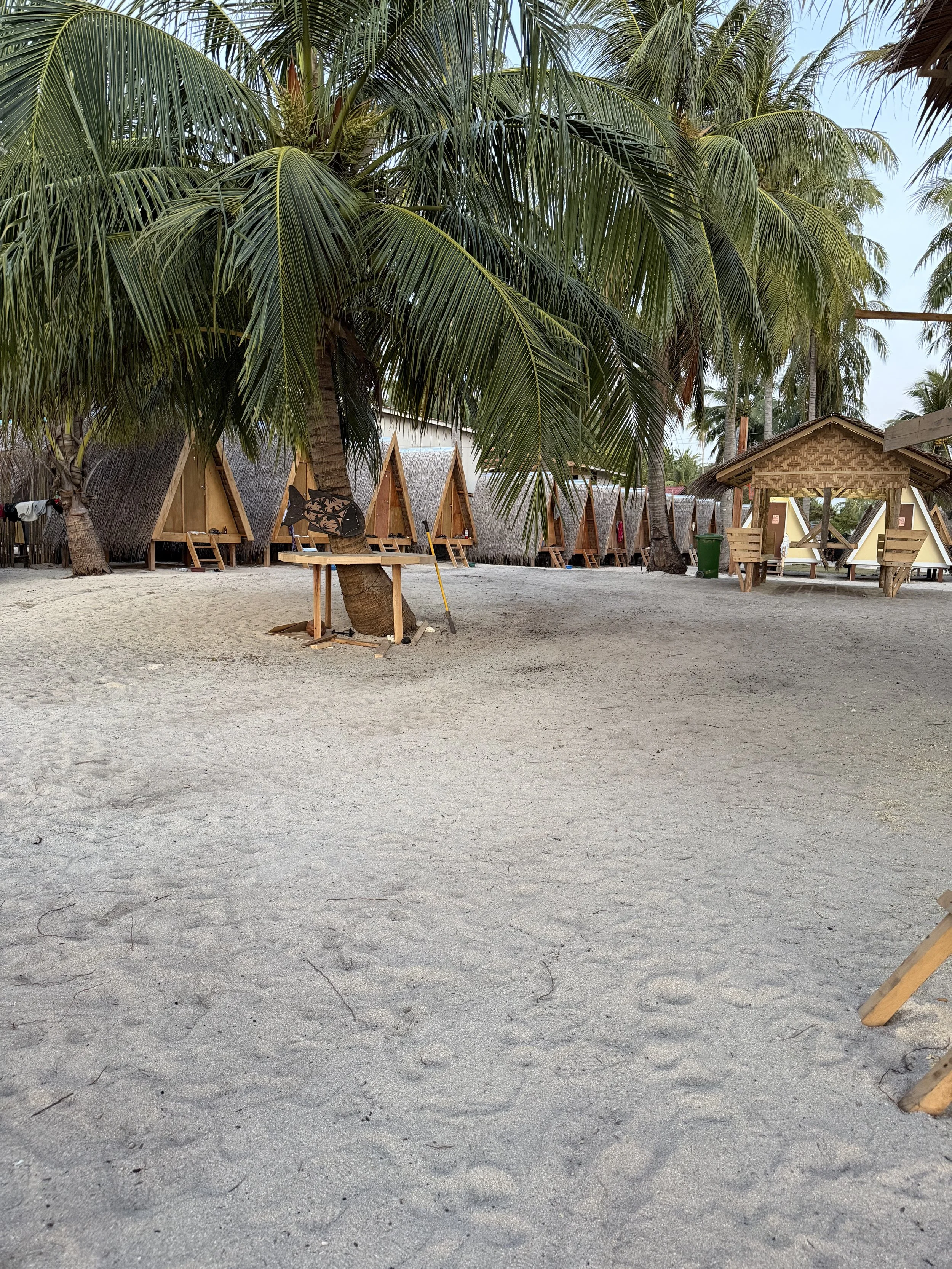
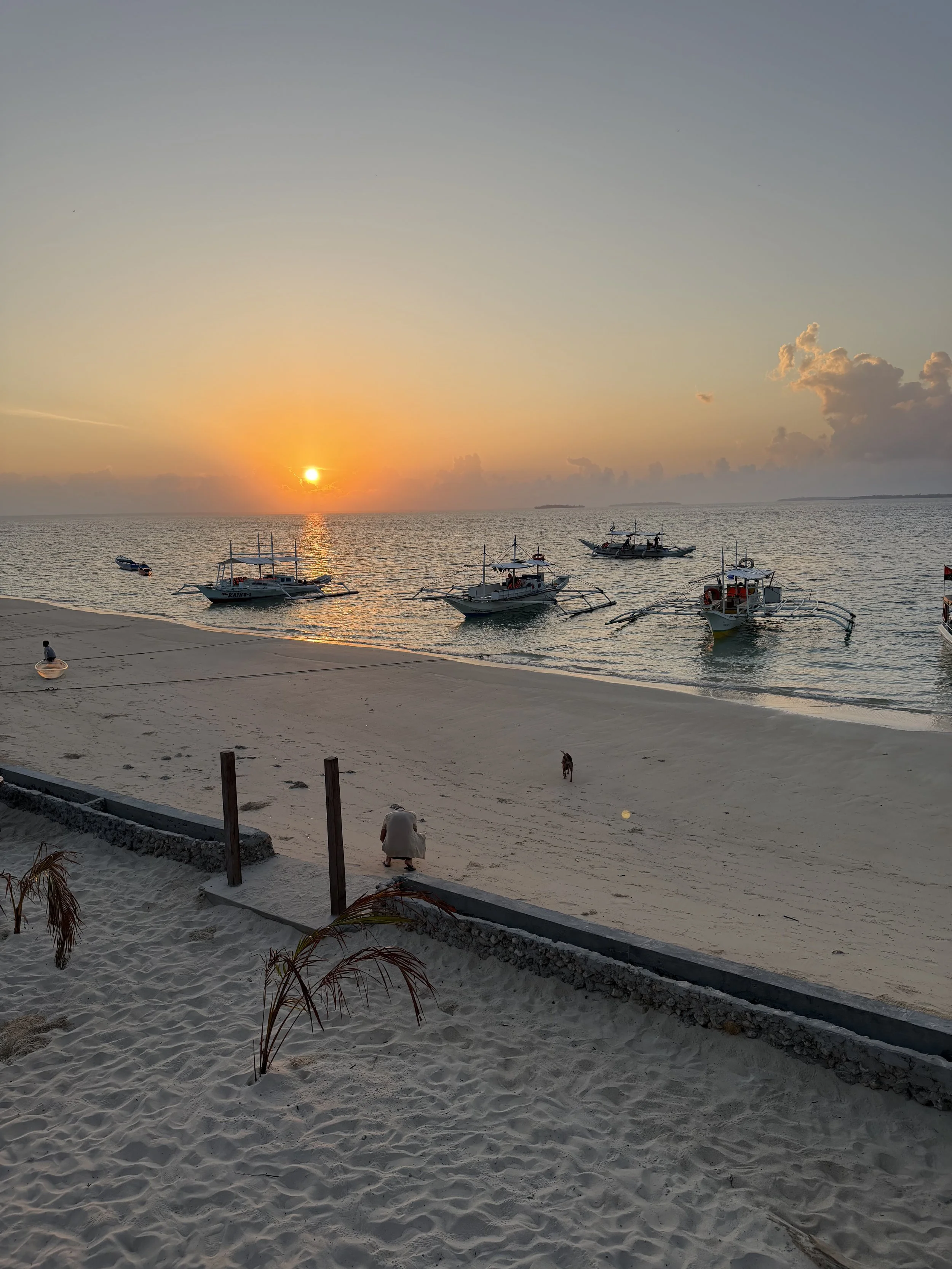
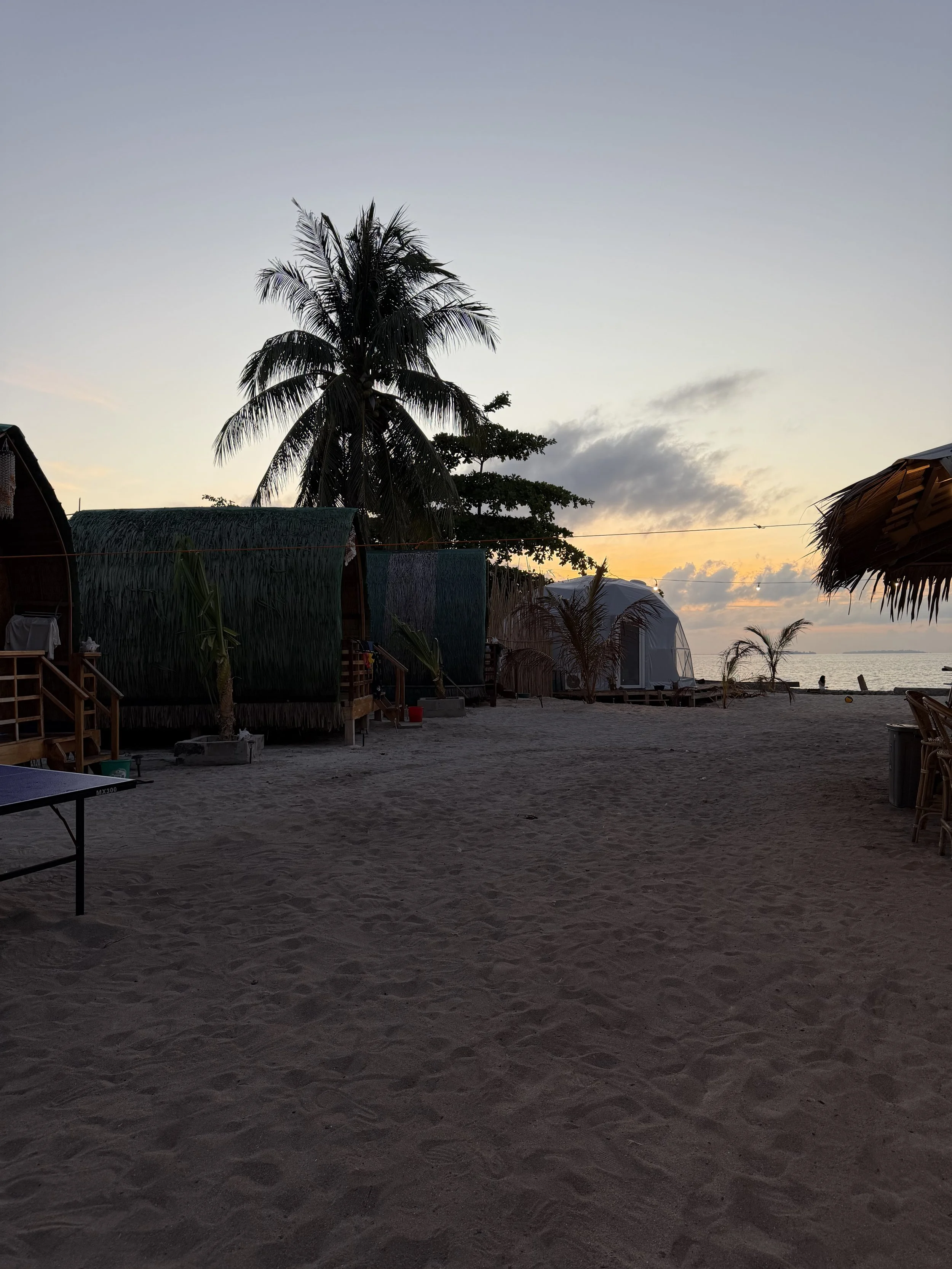
Practical tip: Balabac is remote, but it's no longer a secret. Only a few thousand visitors make it down here each year, and with a handful of camps and limited beds, the good rooms go first. Book a few months ahead, especially if you want a beachfront bungalow with air conditioning, ours was worth every peso of the early planning.
Exclusive Reader Discount:
The resort set up a code for our readers. Use myframesofearth500 when booking through balabac-beachresort.com and you'll get 500 pesos off your stay. When the new website launches (apprx. August 2026), you'll get 500 pesos off per person, so 1,000 pesos for the two of you as a couple.
Full transparency: the resort thanks us with 300 pesos for every booking made with the code. It changes nothing about our recommendation, we paid for our stay in full and would send you there either way. (Code active as of July 2026.)
If you end up on Onok because of this guide, tag us on Instagram @myframesofearth, we'd love to see your photos from out there.
The camp is your base. The reason you're here starts the next morning, out on the water.
Day 1: Arrival & First Islands
After arriving around midday, we checked into the bungalow and had lunch at the camp. The tour wastes no time: the same afternoon, the boats head out to Patawan Island and Patongong Island just across from it.
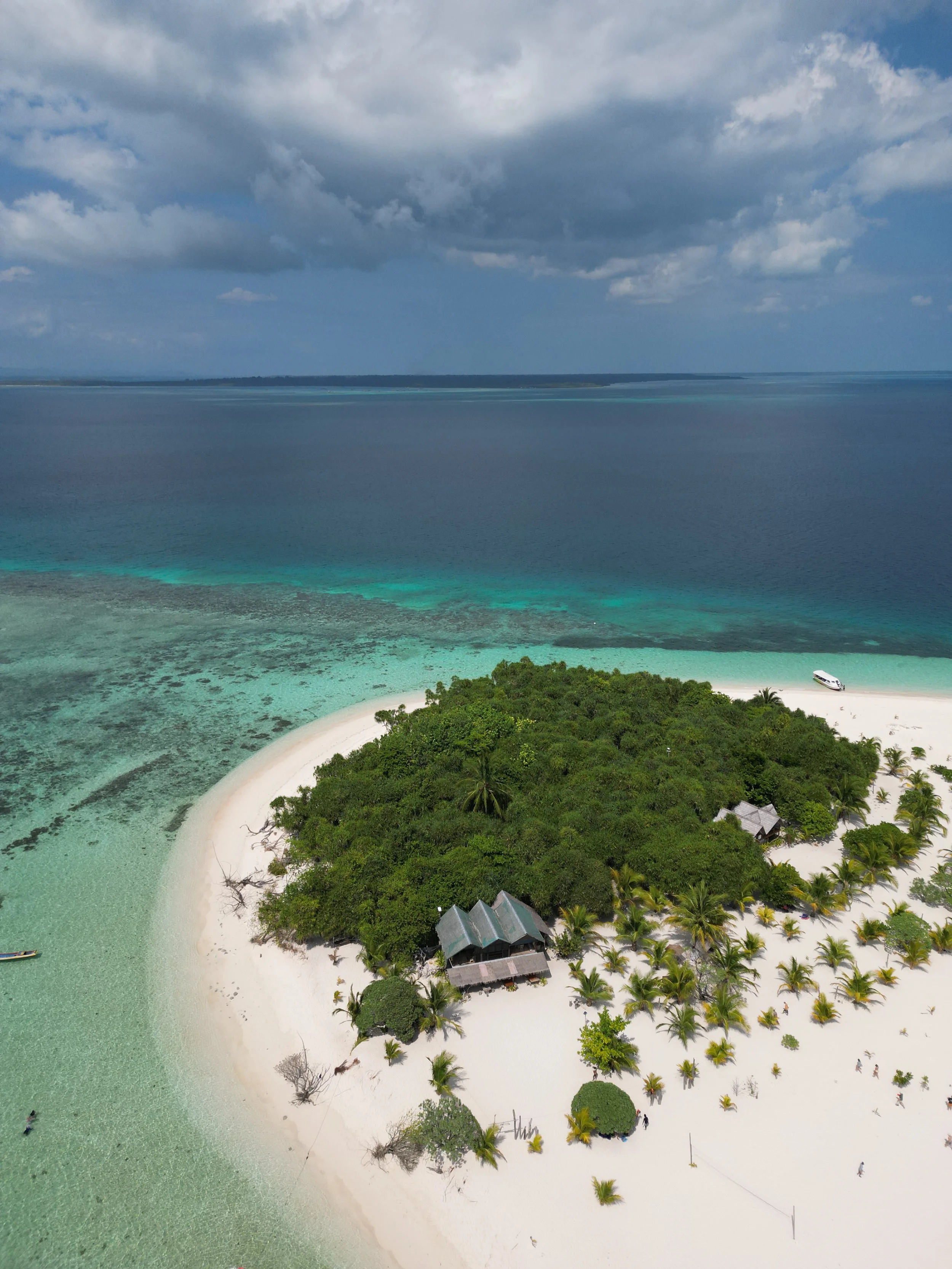
Patawan set the tone for everything that followed: white sand, clear shallow water, and almost nobody else there. We liked it a lot, and it was only the warm-up.
One rule to know: all boats must be back at camp by 5pm. Dinner is served around 7 to 7:30pm, always plenty of food, always good, and vegetarian options were available at every single meal.
Day one was beautiful. Day two was the one we'd flown across the world for.
Day 2: Onok Island & the Sea Turtles
Breakfast at 7:30am, departure planned for around 9. The ride to Onok Island normally takes 1.5 to 2 hours. Ours took three, because we stopped to tow another boat that had broken down. That's how things work out here: boats help each other, schedules bend, nobody complains. Being part of a mid-sea rescue tow felt like its own small adventure, and it fit this place perfectly.
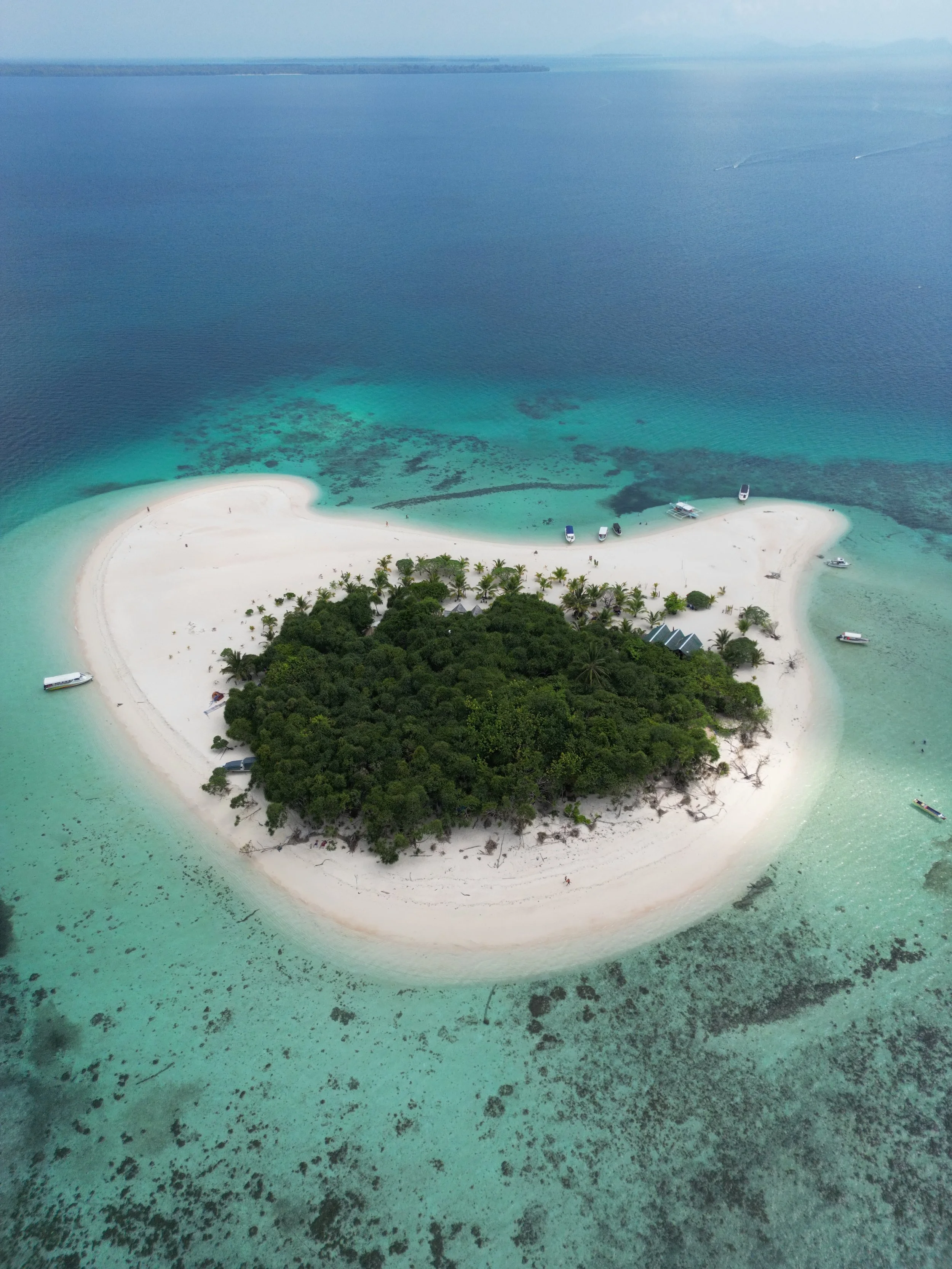
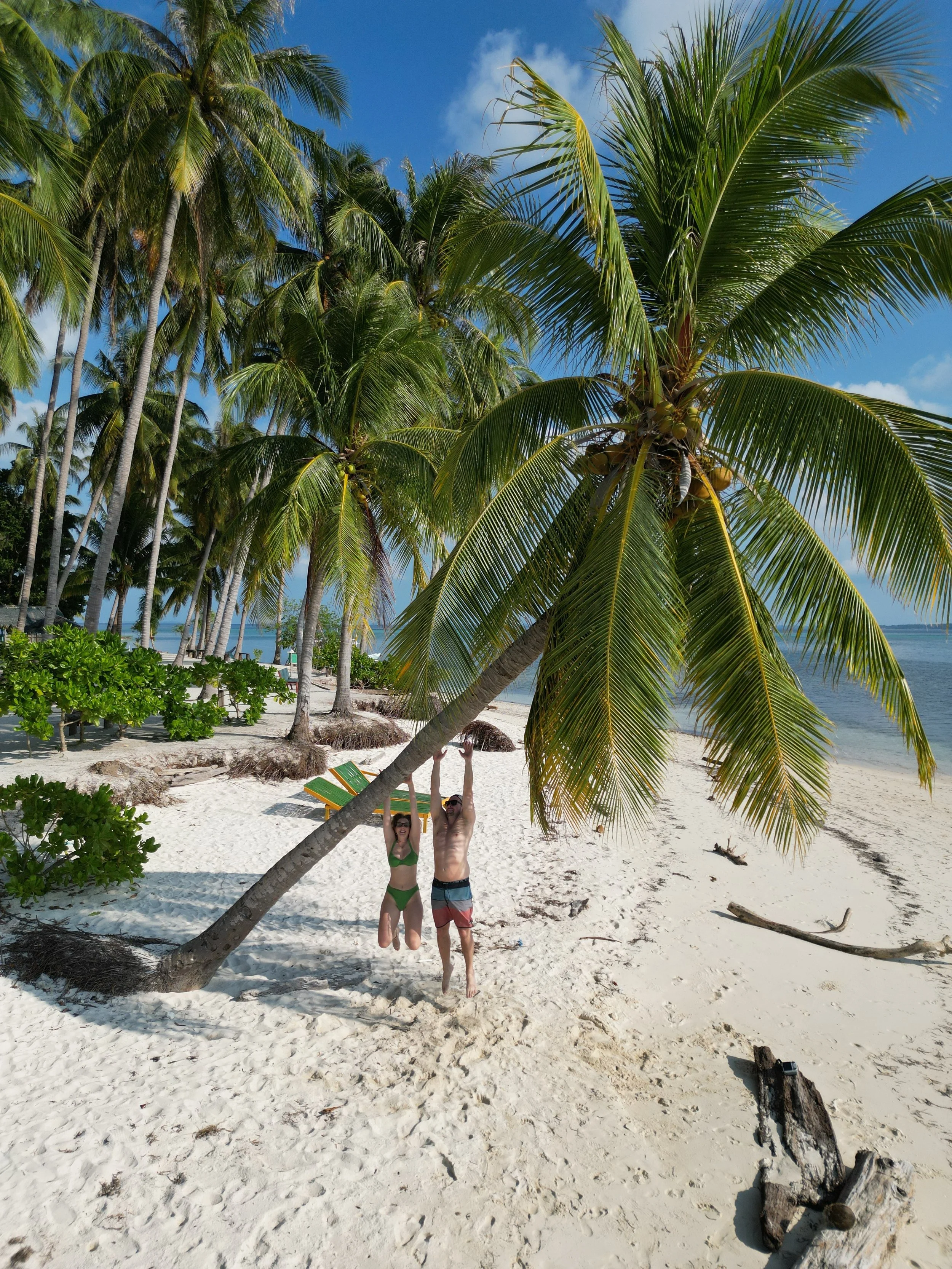
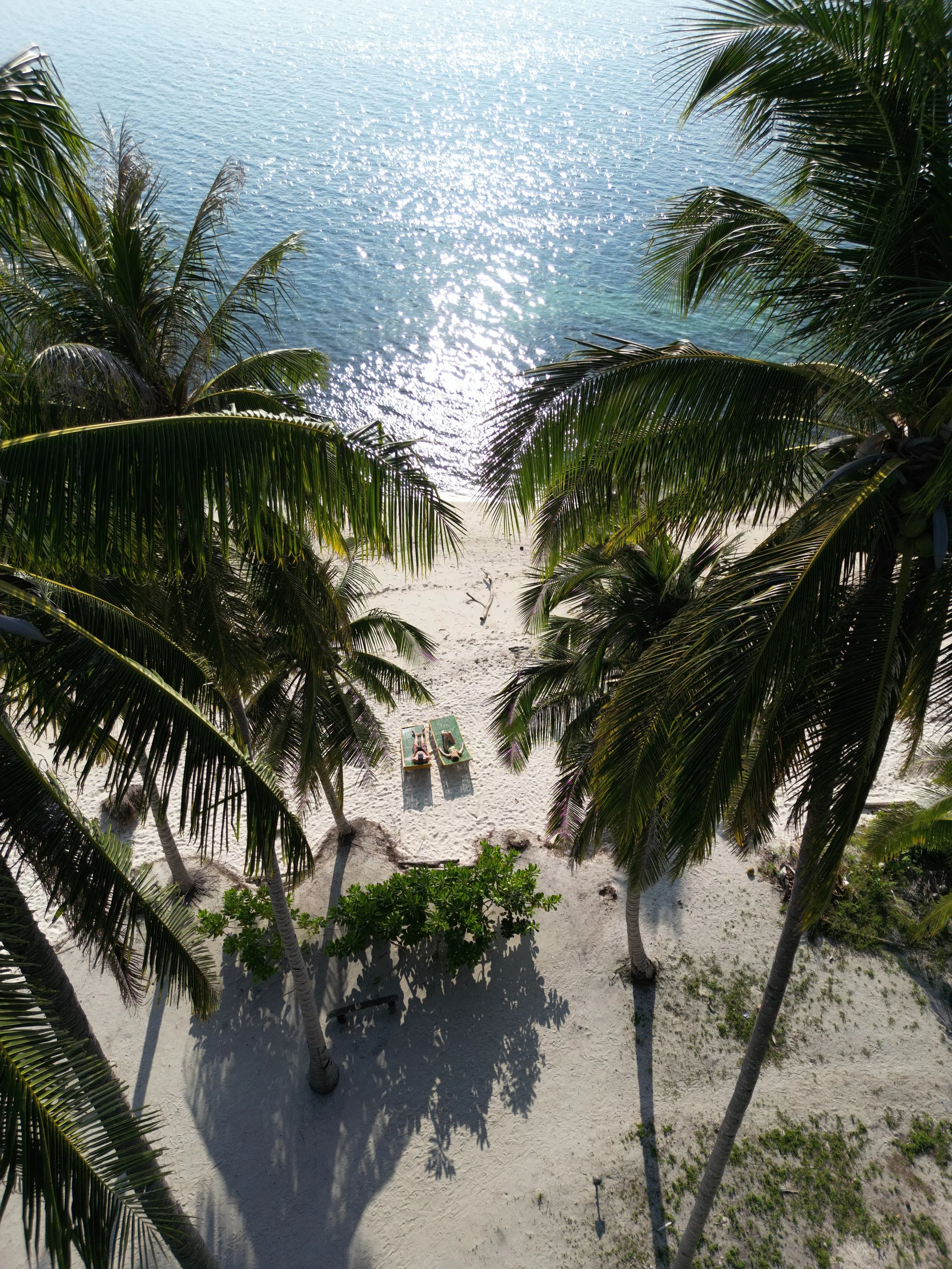
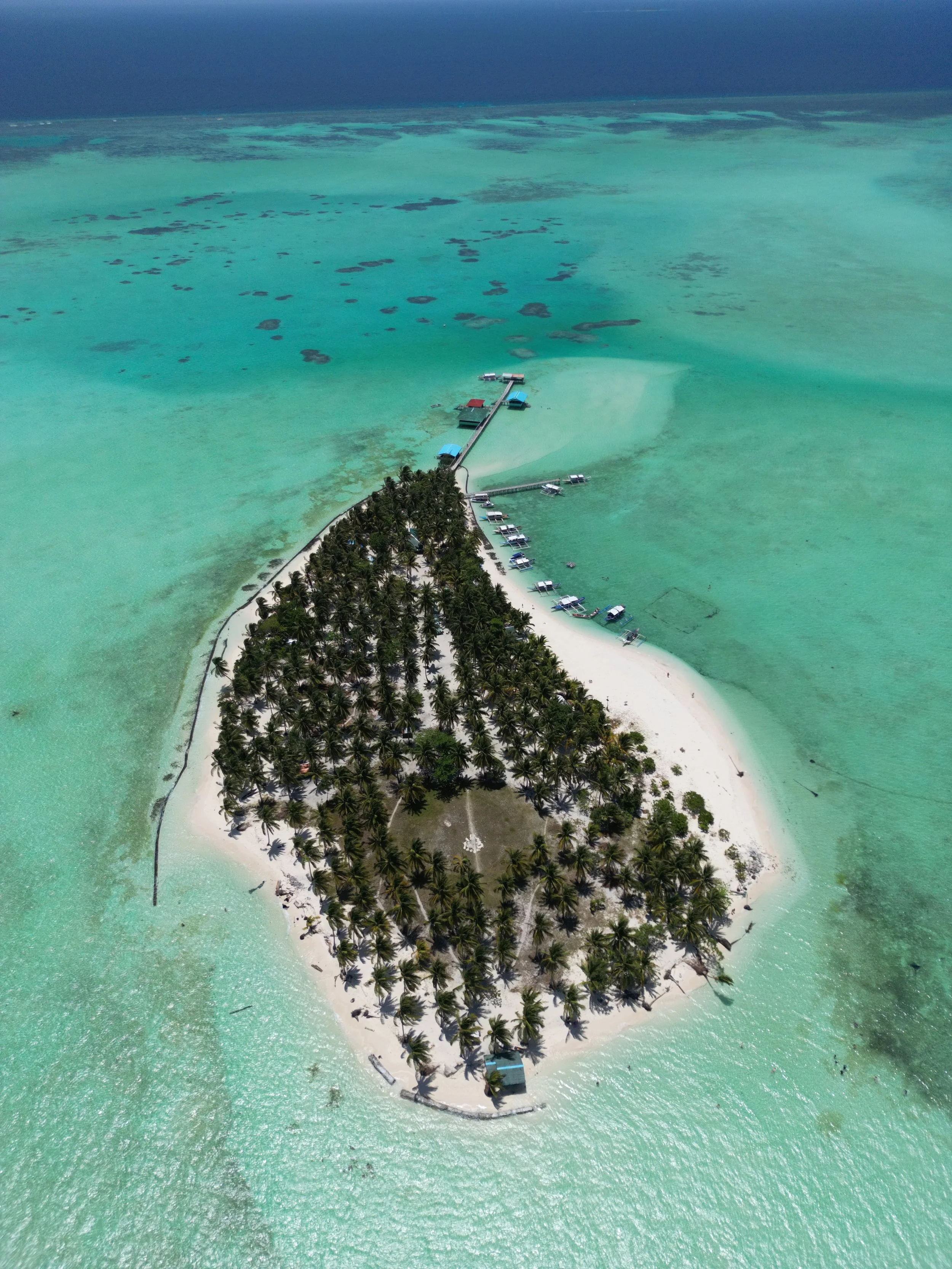
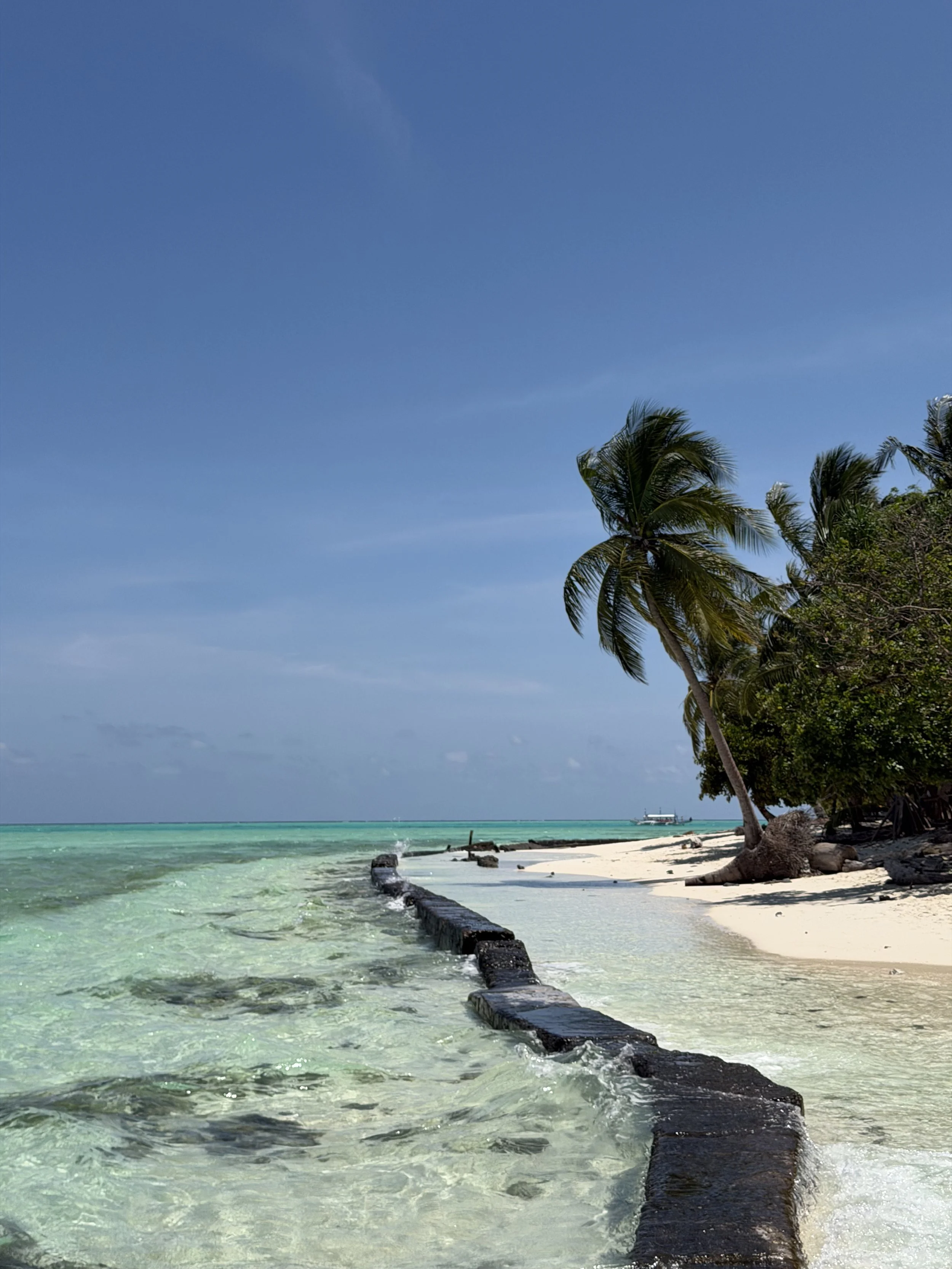
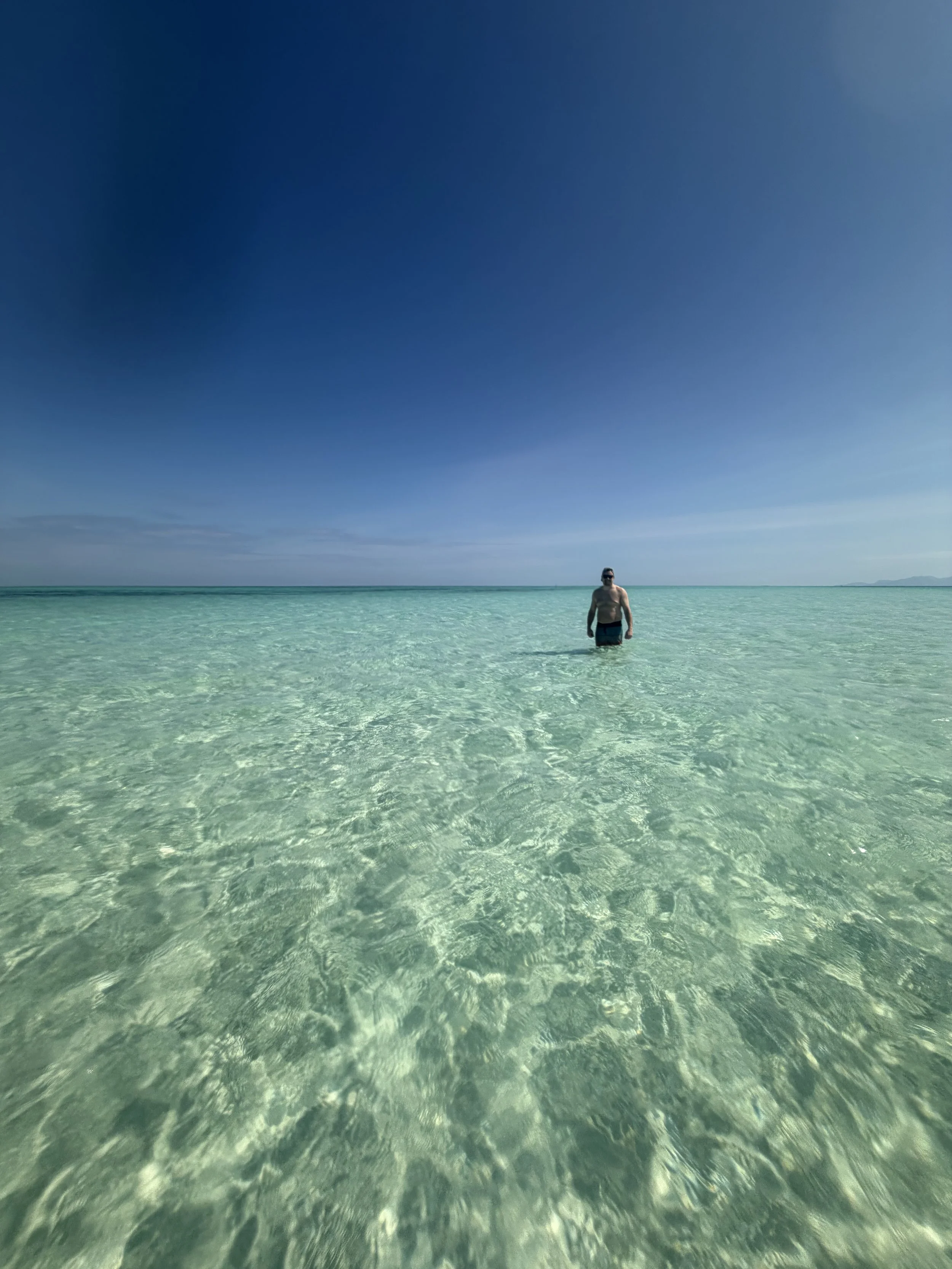
Onok was worth every minute of it. This is the island you've seen if you've ever looked up Balabac: a tiny dot of sand and palms in impossibly clear water, with quiet corners to settle into and hardly anyone around.
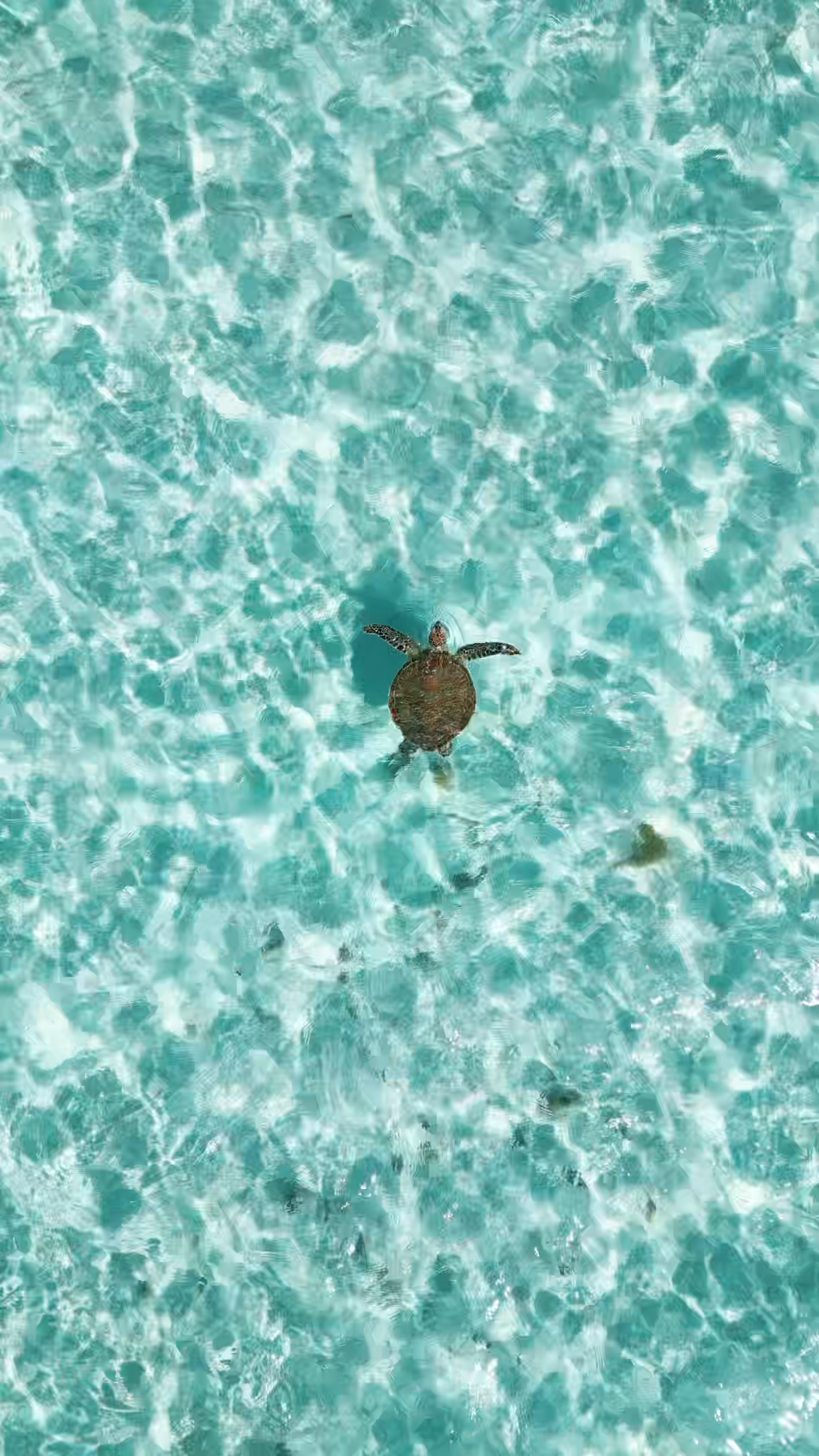
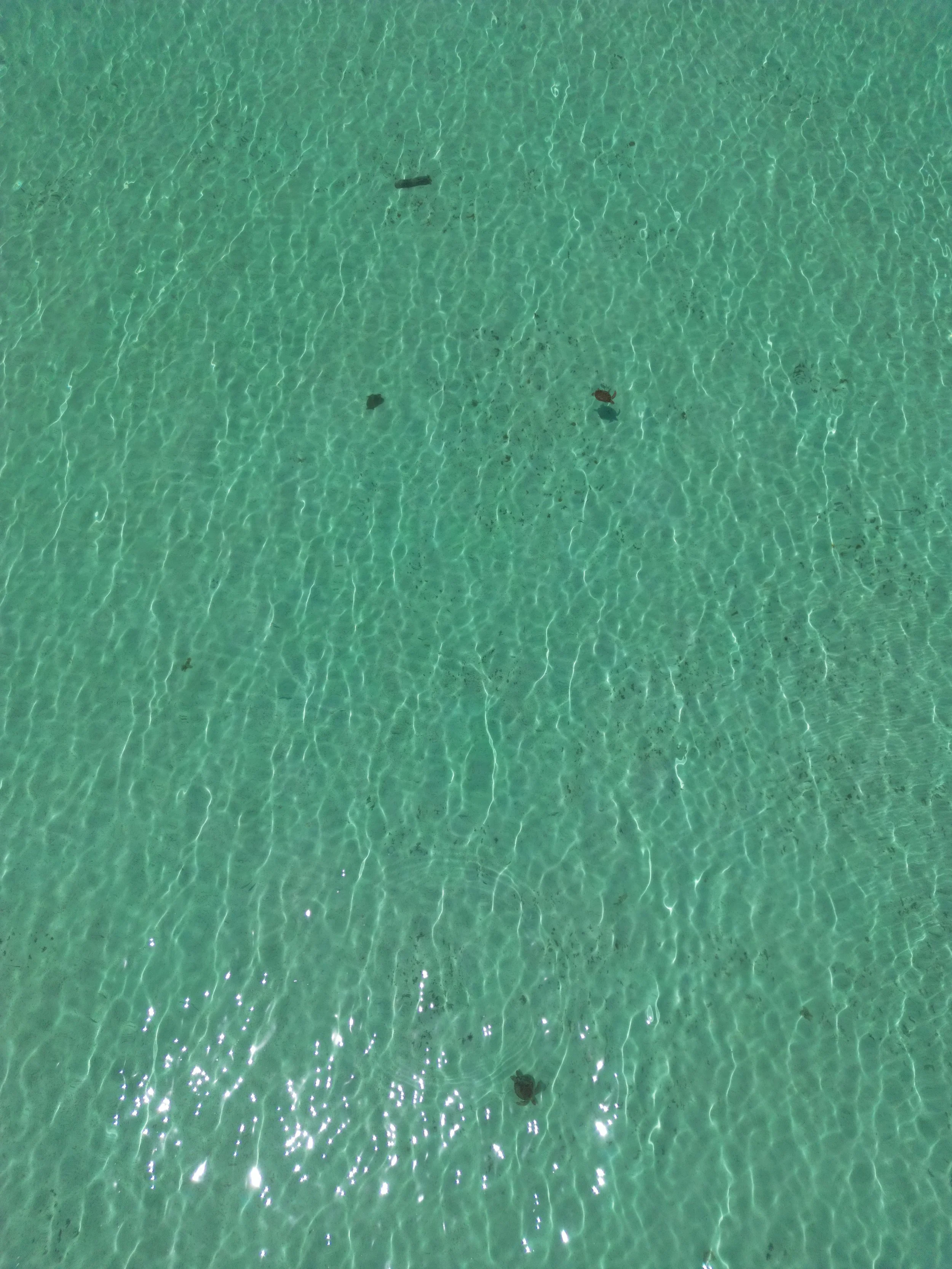
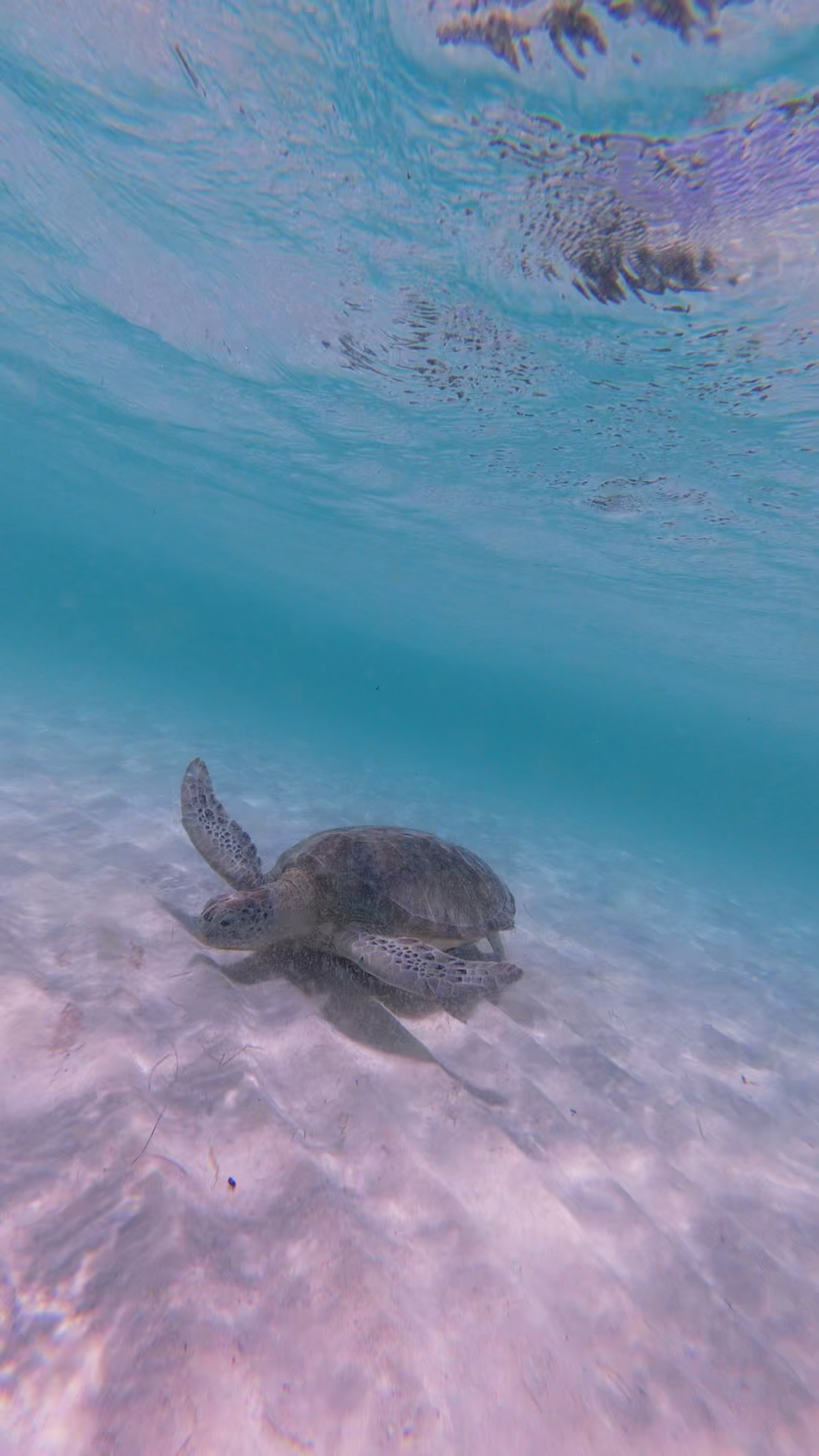
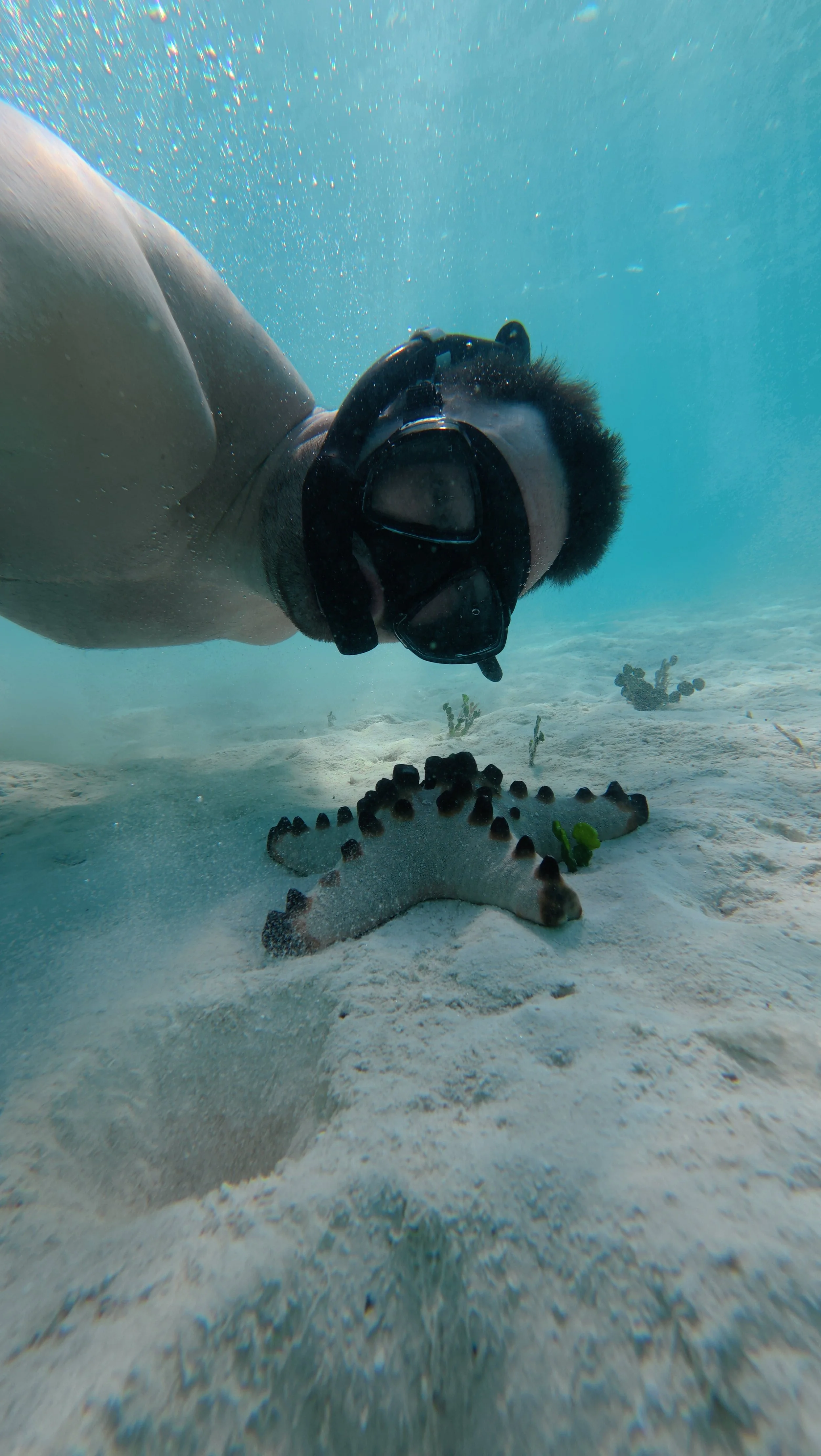
And then there are the turtles. We saw more sea turtles here than anywhere else on the entire trip, and I spent most of the day filming them, from above with the drone and underwater alongside them. Watching a turtle glide beneath you in water this clear is the kind of moment that makes a 2:45am pickup feel like a fair trade.
One small honest warning: there were small jellyfish in the water that sting a little. Nothing serious, nobody had a real problem, but worth knowing before you jump in.
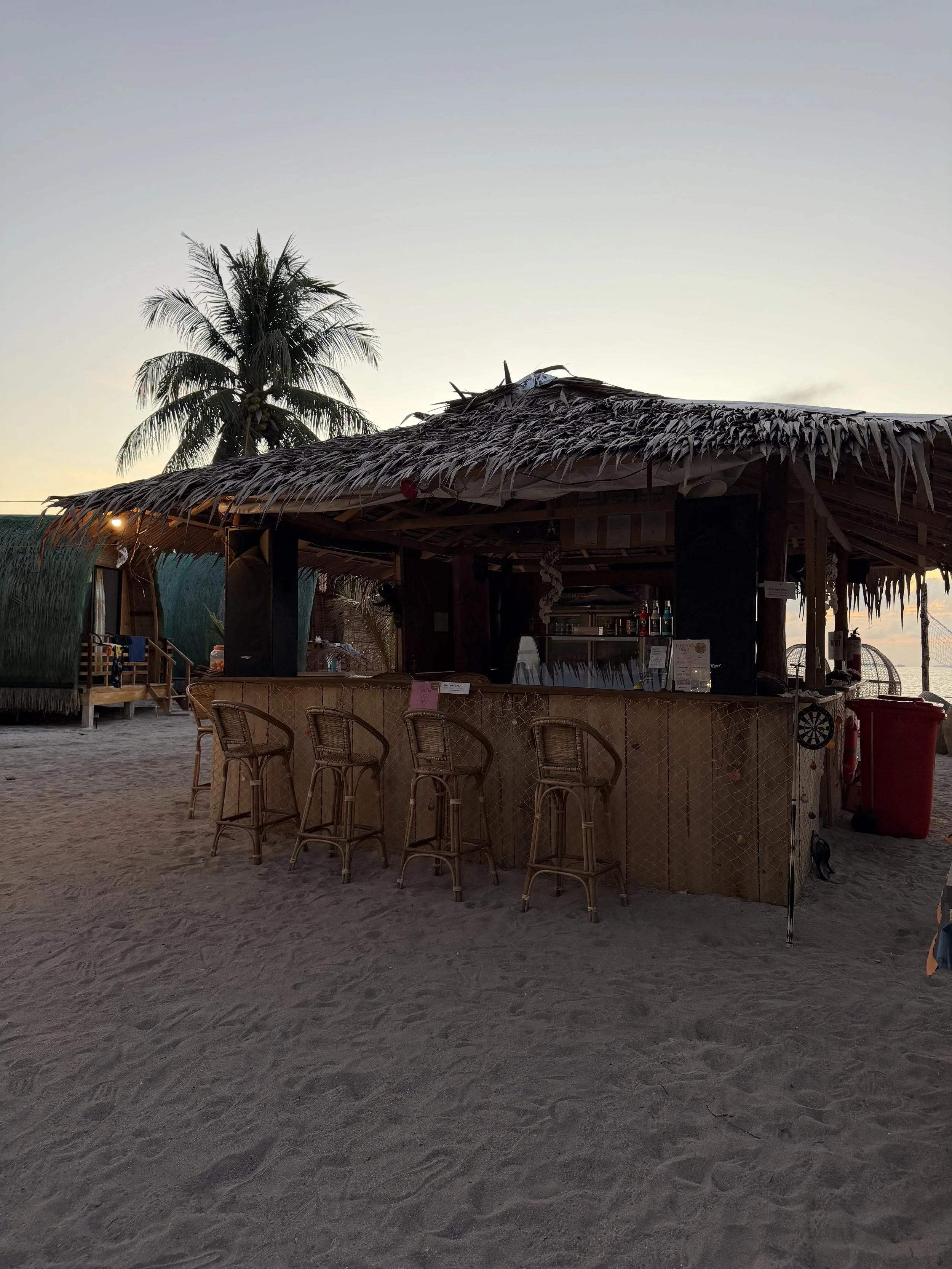
Lunch was served right on the jetty. Back at camp by 5pm, dinner at 7, and then the camp evening routine we came to love: ice cream, a cold beer, billiards and volleyball if you want them, and long conversations with people from all over the world.
We went to sleep thinking the trip had peaked. Day three had other plans, in both directions.
Day 3: Sandbars, Coconuts & One Drowned Drone
Day three was the most mixed day of the tour, and we'll give it to you straight.
The first island of the day was honestly underwhelming: not much to see, and not particularly clean. Every island-hopping tour has one of these stops, and this was ours.
The second island flipped the day completely: fresh coconuts straight from the tree, mangroves to explore, and shade to stretch out in. Simple and very good.
Then came the sandbar at Manta Island, and with it the story we teased in our Bohol article. The sandbar sat about 30 centimetres under water when we arrived, a strip of pale sand in the middle of open sea, beautiful in a way that's hard to put into words. I sent the drone up for what should have been some of the best shots of the trip.
The drone went into the water. Gone. Salt water, open sea, no recovery. Every aerial shot from this trip onward, El Nido, Coron, all of it, exists only in our memory. If you fly a drone over water: this is your reminder that it only takes one moment.
We'd planned to end the day at a starfish spot, but our guide was upfront with us: the famous "Starfish Island" doesn't reliably exist as a fixed place right now, because the starfish move. We appreciated the honesty more than a staged stop.
Back at 5pm, dinner at 7, ice cream, good conversations. Minus one drone, but with countless memories.
Day 4: The Journey Back
The return runs on an early, tight morning: breakfast at 6, on the boat by 7, roughly an hour back to the port once the coastguard clears departure, then the van north, arriving in Puerto Princesa around 2:30pm. You pick up your stored luggage at the Panya Resort, and if your route continues like ours did, El Nido is next. (The exact return timings are in the guide.)
Doing this trip? Take the full plan with you. The Balabac 4-Day Guide has the print-ready timeline, the to-the-peso budget, the booking message, the packing list and the offline map, built to read offline once the signal drops. Free updates as prices change.
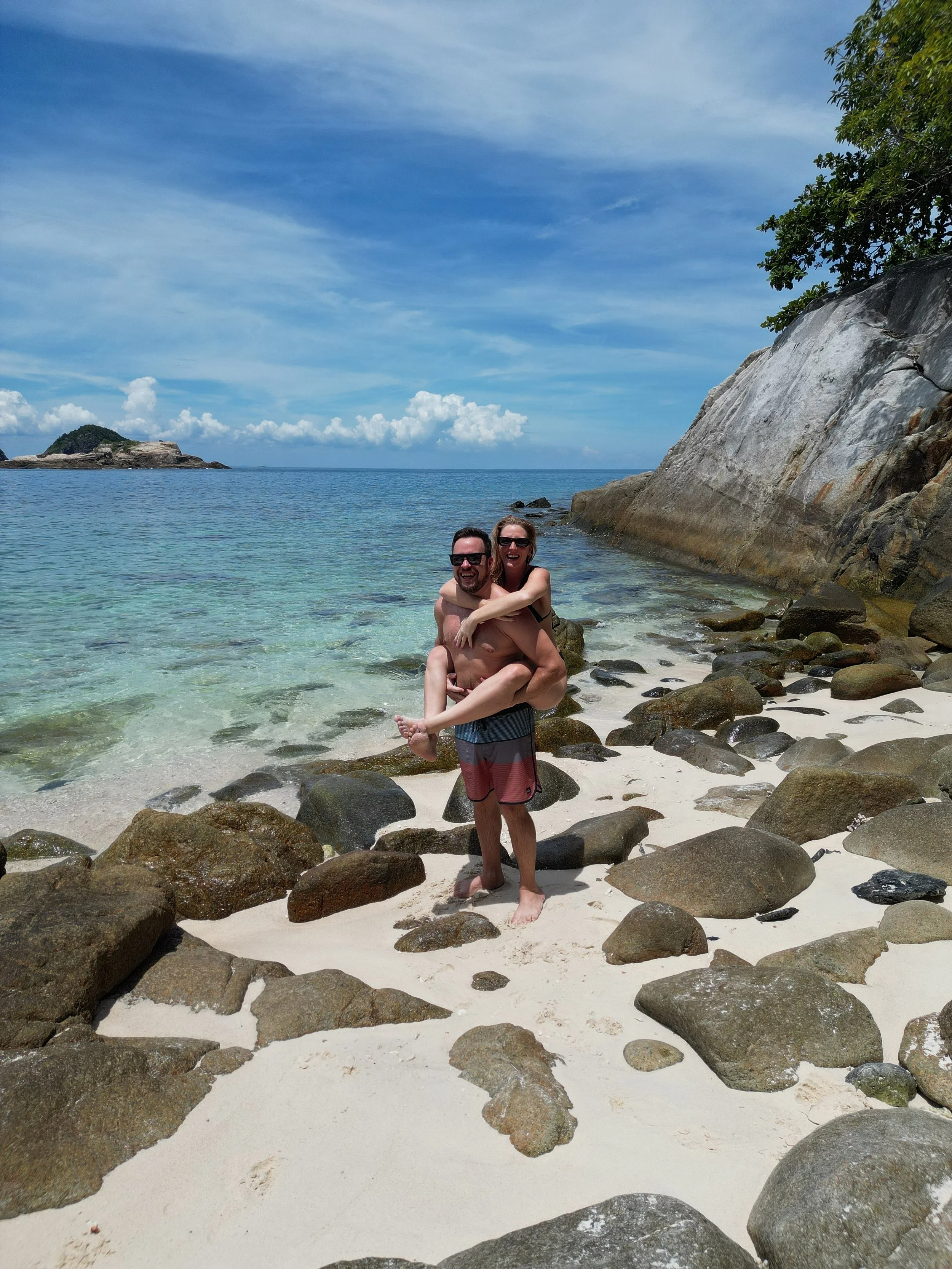
Who we are: We're Marcel and Kathleen, a couple with corporate jobs, one big trip a year and a drone that comes everywhere with us. I (Marcel) plan every route down to the ferry timetable, Kathleen trusts the plan, and everything on this blog is something we did and paid for ourselves. More about us →
Some links in this post are affiliate links. If you book through them, we may earn a small commission at no extra cost to you. We only recommend places and services we've used and paid for ourselves.